Reducing Maintenance Costs Through Advanced Crane Engineering
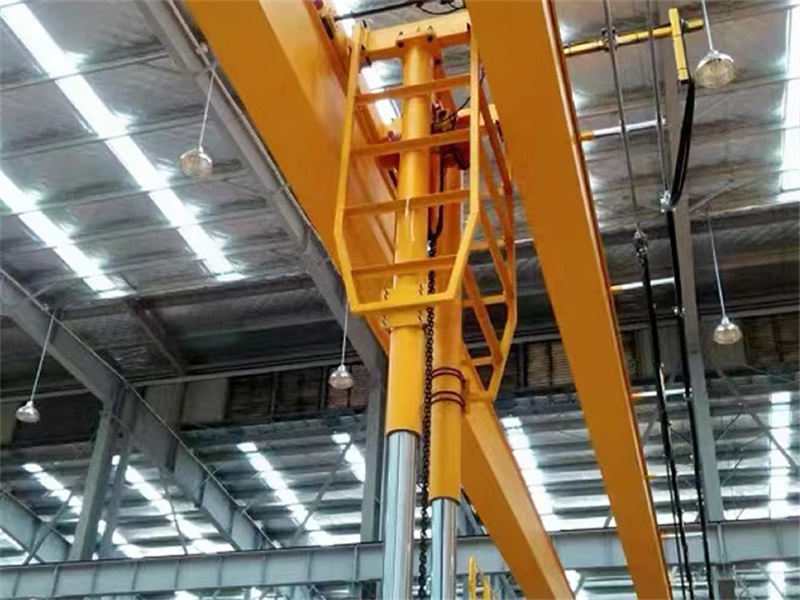
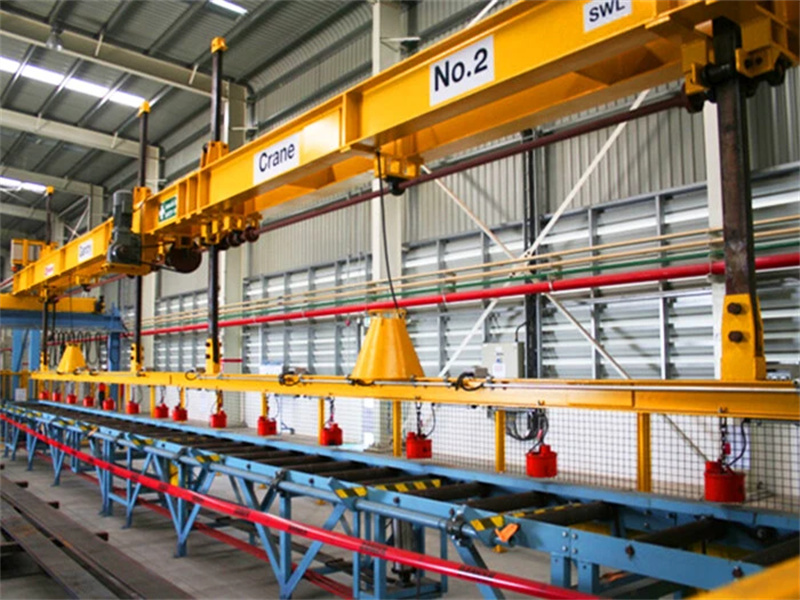
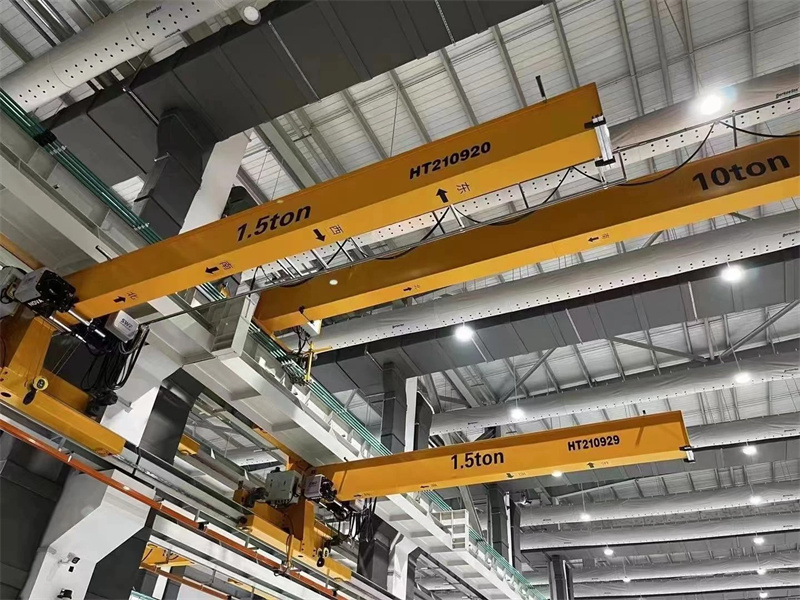
In industrial facilities, crane maintenance is an essential part of ensuring safe and reliable lifting operations. However, frequent repairs, component replacement, and unexpected equipment failures can significantly increase operating expenses. Advanced crane engineering provides an effective way to control these costs by improving equipment durability, reducing mechanical stress, and making maintenance more efficient. Jiangyin Dingli High Tech Cranes Co., Ltd. applies advanced engineering principles and high-quality components to develop crane solutions designed for reliable long-term operation. One of the most important factors in reducing maintenance costs is the use of a robust and optimized crane structure. A crane operating under heavy loads experiences continuous stress on its main girder, end carriages, wheels, and supporting components. Dingli's engineering team carefully considers load distribution and structural strength during the design process. An appropriately engineered structure reduces unnecessary stress and helps prevent premature wear, contributing to longer service life and fewer repair requirements.
High-quality components also have a direct influence on maintenance expenses. Motors, gearboxes, brakes, electrical systems, hooks, and other critical parts must withstand repeated lifting cycles and demanding industrial conditions. Dingli selects reliable matching components according to the operating requirements of each crane project. Using suitable components from the beginning can reduce the frequency of failures and minimize the need for frequent replacements. Advanced drive technology provides another important maintenance advantage. Dingli cranes can utilize variable frequency drive systems to control motor speed smoothly during starting, acceleration, deceleration, and stopping. Unlike abrupt operating patterns that can create mechanical shock, controlled movement reduces stress on motors, gearboxes, brakes, wheels, and other transmission components. Lower mechanical impact can help extend component lifespan and reduce maintenance frequency.
Reducing load swing is also beneficial for equipment durability. Excessive swinging can place additional forces on crane structures and mechanical components, particularly during repeated lifting and traveling operations. Precise speed control allows operators to move loads more smoothly and accurately. This not only improves handling performance but also reduces unnecessary stress throughout the crane system. Another important consideration is designing cranes with maintenance accessibility in mind. Components that are difficult to inspect or replace can increase service time and labor costs. Practical engineering should provide technicians with convenient access to critical components for inspection, lubrication, adjustment, and replacement. Dingli's technical team considers maintenance requirements during the design process, helping customers perform routine servicing more efficiently.
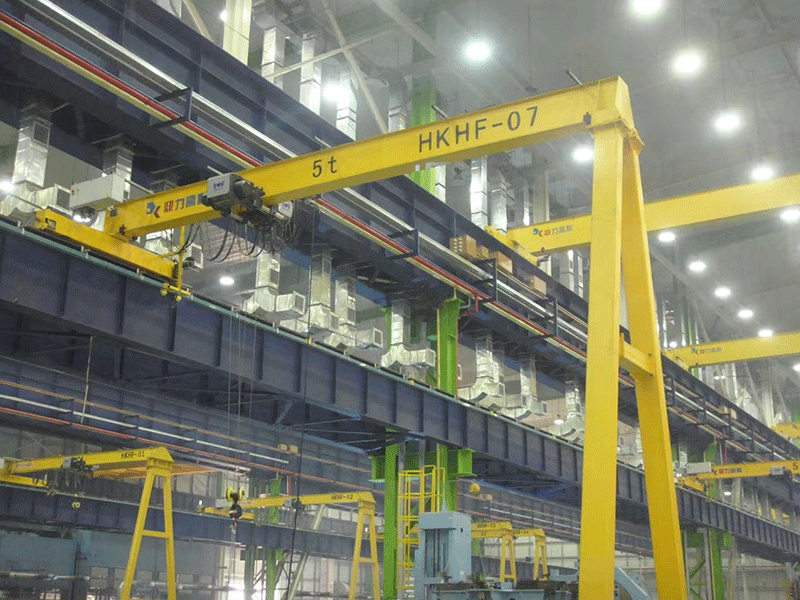
Preventive maintenance becomes more effective when a crane is designed for stable and predictable operation. Regular inspections can identify wear in components before minor problems develop into major failures. When maintenance teams can address issues early, businesses can avoid expensive emergency repairs and extended production interruptions. This proactive approach supports lower total ownership costs over the crane's operating life. Electrical and control systems are also important areas of advanced crane engineering. Reliable control components help prevent operational instability and unexpected shutdowns. Dingli integrates modern control technologies into its crane systems to provide precise movement and dependable operation. Properly designed electrical systems can also simplify troubleshooting, allowing technicians to identify and resolve potential problems more efficiently.
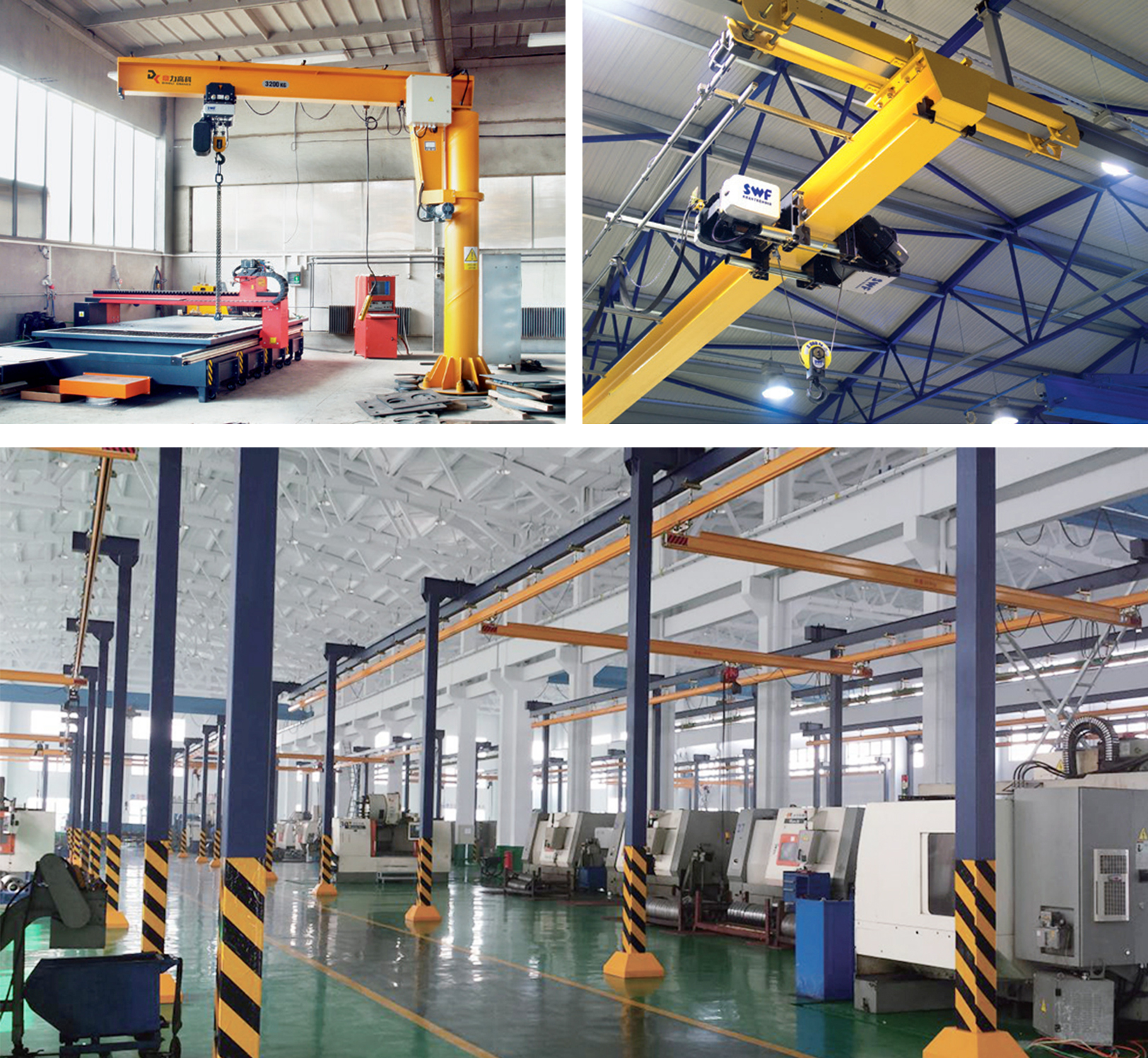
Customization can further reduce maintenance expenses. A crane that is appropriately designed for its actual workload and operating environment is less likely to experience excessive stress. Dingli works with customers to consider lifting capacity, working frequency, span, lifting height, and environmental conditions when developing crane solutions. Matching the equipment to the application helps avoid overloading and unnecessary component wear. Long-term maintenance costs are also influenced by the quality of after-sales service. Professional technical guidance, spare parts support, and maintenance recommendations can help customers maintain equipment correctly throughout its service life. Dingli's after-sales service team provides support designed to help customers address technical issues promptly and maintain reliable crane performance.
Ultimately, reducing crane maintenance costs requires more than simply repairing equipment when problems occur. It begins with engineering decisions that prioritize structural strength, component quality, smooth operation, accessibility, and application-specific design. With more than 20 years of technical experience, Jiangyin Dingli High Tech Cranes Co., Ltd. combines engineering expertise, advanced technology, and quality manufacturing to provide dependable crane solutions. By investing in well-engineered equipment, industrial businesses can reduce maintenance demands, minimize downtime, extend crane service life, and achieve better long-term operating efficiency.