How to Upgrade Existing Crane Systems for Better Performance
Industrial crane systems are essential for maintaining efficient material handling operations, but as production demands evolve, older crane systems may no longer deliver the performance required by modern facilities. Upgrading existing crane systems is a cost-effective way to improve efficiency, enhance safety, reduce downtime, and extend equipment lifespan without investing in entirely new infrastructure. Jiangyin Dingli High Tech Cranes Co., Ltd. provides advanced upgrade solutions that help businesses modernize their crane systems and achieve better operational performance. The first step in upgrading a crane system is conducting a comprehensive performance assessment. This evaluation identifies weaknesses in the existing system, including outdated components, insufficient lifting capacity, inefficient controls, or excessive maintenance issues. By analyzing the crane’s operational history, workload requirements, and current condition, Dingli’s technical team can recommend targeted upgrades that deliver the greatest performance improvements.
One of the most effective upgrades is the installation of variable frequency drive (VFD) technology. Many older cranes operate with fixed-speed motors that cause abrupt starts and stops, leading to load swing, mechanical stress, and higher energy consumption. VFD systems allow smooth acceleration and deceleration, improving lifting precision and reducing wear on motors, brakes, and gearboxes. This upgrade not only enhances operational control but also improves energy efficiency and extends component lifespan. Upgrading the electrical control system is another important improvement for older crane systems. Traditional relay-based controls may lack precision, reliability, and modern safety functions. Replacing outdated control panels with advanced electronic systems improves responsiveness, operational accuracy, and fault detection capabilities. Modern controls can also support remote operation, automated functions, and real-time monitoring for better performance management.
In many cases, upgrading the hoisting mechanism can significantly improve lifting efficiency and reliability. Replacing worn motors, gearboxes, wire ropes, or hooks with modern high-performance components increases lifting capacity and reduces maintenance requirements. Advanced hoist systems also provide smoother operation and improved load handling accuracy, which is especially valuable in precision manufacturing environments. Structural reinforcement is another critical aspect of crane modernization. Over time, crane girders, end carriages, and support structures may experience wear or become insufficient for increased production demands. Dingli can strengthen or modify structural components to improve load-bearing capacity and operational stability. These upgrades help ensure that the crane can safely handle heavier loads and more intensive usage conditions.
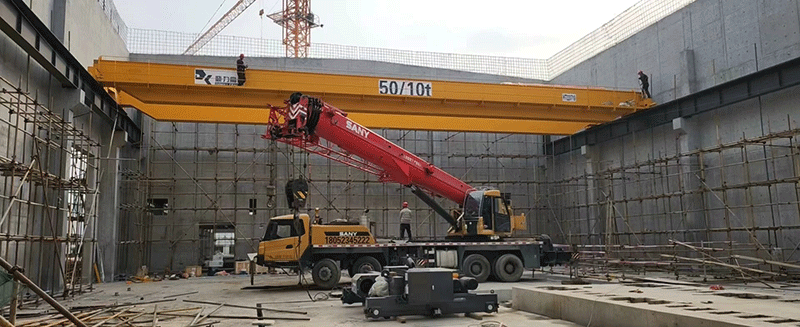
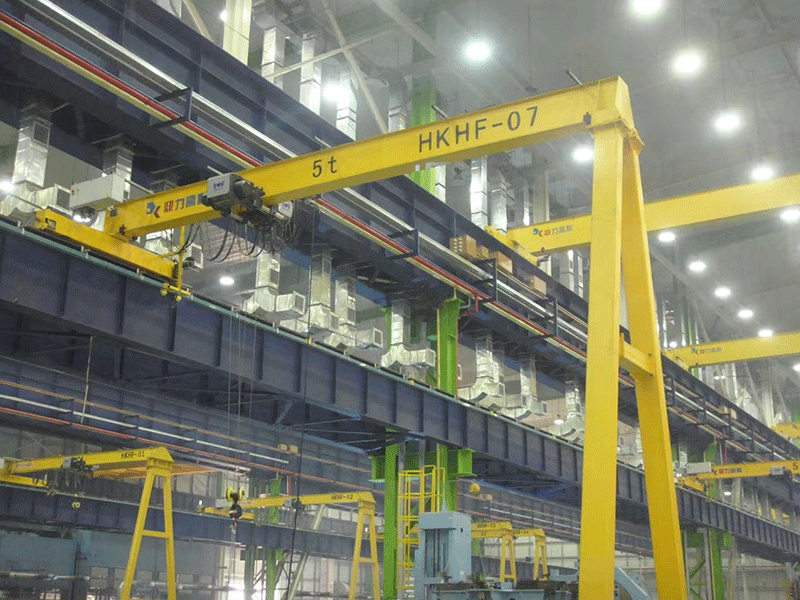
Safety improvements are a major reason many businesses choose to upgrade their crane systems. Modern safety technologies such as overload protection devices, anti-collision systems, emergency stop functions, and advanced braking systems can be integrated into existing cranes. These upgrades reduce operational risks, improve compliance with current safety standards, and create a safer working environment for operators and production staff. Energy efficiency is another important benefit of crane upgrades. Older systems often consume more electricity due to outdated motors and inefficient controls. By installing energy-efficient motors and intelligent drive systems, businesses can reduce operating costs while improving overall crane performance. Energy-saving upgrades also support sustainability goals and help facilities meet modern environmental standards.
Improving operator comfort and usability can further enhance crane performance. Upgraded control interfaces, wireless remote systems, and ergonomic operating stations allow operators to work more efficiently and with greater precision. Better control systems reduce fatigue and improve overall handling accuracy during daily operations. Regular maintenance and monitoring systems can also be incorporated into upgraded crane designs. Modern diagnostic technologies provide real-time operational data, helping maintenance teams identify potential issues before they cause breakdowns. Predictive maintenance capabilities reduce unplanned downtime and improve long-term reliability.
By upgrading existing crane systems instead of replacing them entirely, businesses can achieve substantial performance improvements while controlling investment costs. Through advanced engineering solutions, high-quality components, and professional technical support, Jiangyin Dingli High Tech Cranes Co., Ltd. helps customers modernize their crane systems for greater efficiency, safety, and reliability. A well-planned crane upgrade not only extends equipment service life but also supports long-term productivity and operational success.