How Industrial Cranes Support Lean Manufacturing Practices
Lean manufacturing focuses on maximizing customer value while minimizing waste throughout the production process. Manufacturers continuously look for ways to reduce unnecessary movement, waiting time, excess inventory, production interruptions, and inefficient use of resources. In facilities that handle heavy materials, industrial cranes can play an important role in supporting these objectives. By improving material flow, reducing handling time, and optimizing workspace utilization, modern cranes from Jiangyin Dingli High Tech Cranes Co., Ltd. can contribute significantly to lean manufacturing practices. One of the fundamental principles of lean manufacturing is eliminating unnecessary material movement. In conventional factories, forklifts, carts, and manual handling may require materials to travel through complicated routes between storage areas and production stations. Industrial cranes provide an overhead transportation solution that allows heavy materials to move directly between designated locations. This shorter and more efficient movement path helps reduce transportation waste and keeps production activities flowing smoothly.
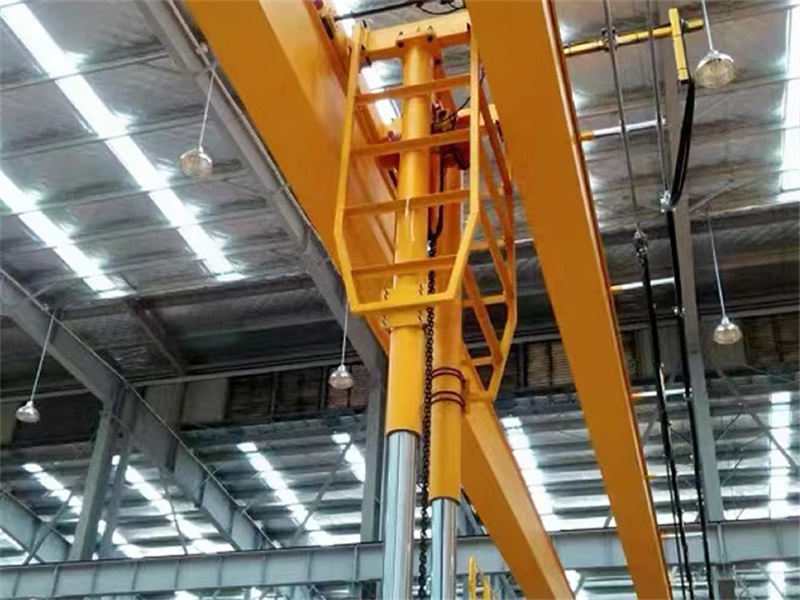
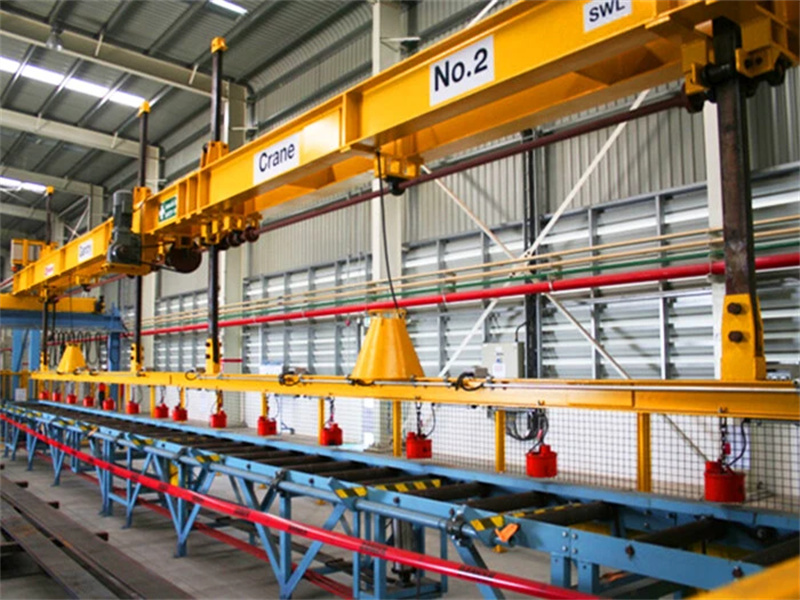
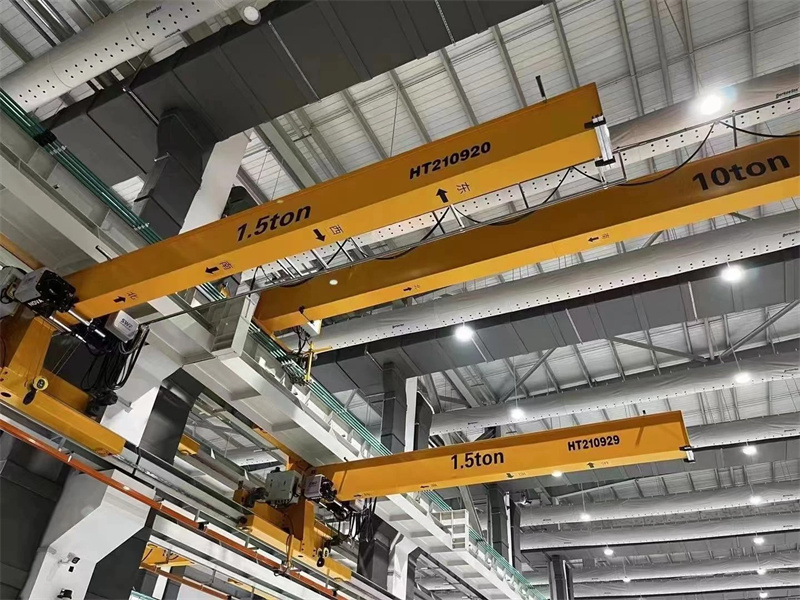
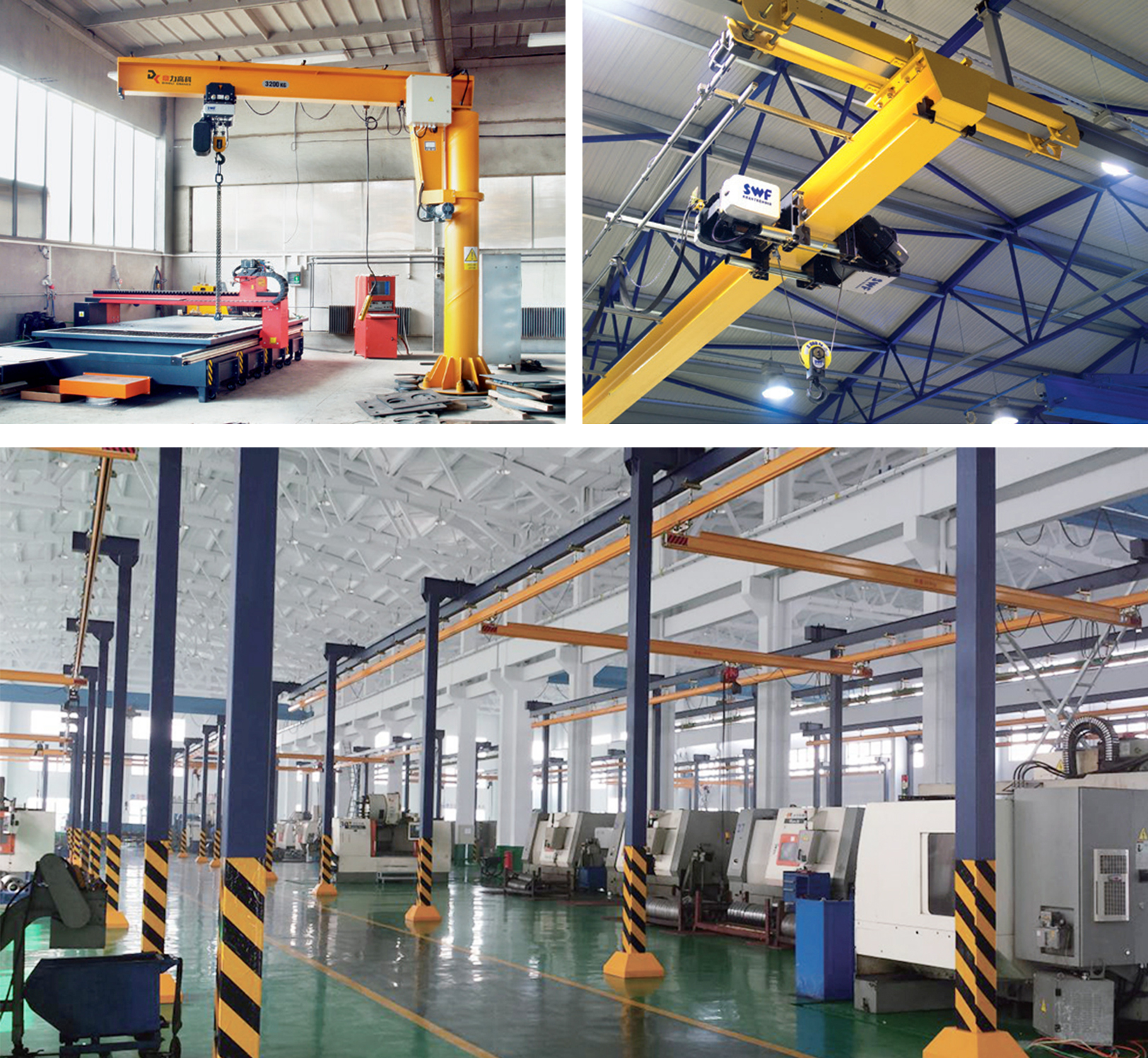
Industrial cranes also help minimize waiting time, another common form of manufacturing waste. Production equipment and workers may remain idle when raw materials or components are not delivered on time. A properly designed crane system can quickly transfer materials to the required workstation, ensuring that production processes receive the necessary supplies when needed. Dingli's bridge, gantry, and semi-gantry crane solutions can be customized according to factory layouts and workflow requirements to support continuous material availability. Efficient use of factory space is another important aspect of lean manufacturing. Floor space occupied by storage areas, transportation equipment, or temporary material staging can limit production capacity. Overhead cranes operate above the production floor, allowing manufacturers to use vertical space for material handling while keeping valuable floor areas available for machinery and workstations. This can contribute to a cleaner and more organized production environment.
Reducing unnecessary handling is also essential for lean operations. Every additional movement increases the time, labor, and potential risk associated with a material. Industrial cranes can lift and transport heavy components in a single controlled operation, reducing the number of times materials need to be handled. This approach can improve productivity while lowering the possibility of material damage and workplace incidents. Modern crane technology further supports lean manufacturing through precise speed control. Dingli cranes can utilize variable frequency drive systems to provide smooth acceleration and deceleration during lifting and traveling. Precise movement allows operators to position materials accurately without repeated adjustments. This improves handling efficiency and helps reduce unnecessary cycle time during production operations.
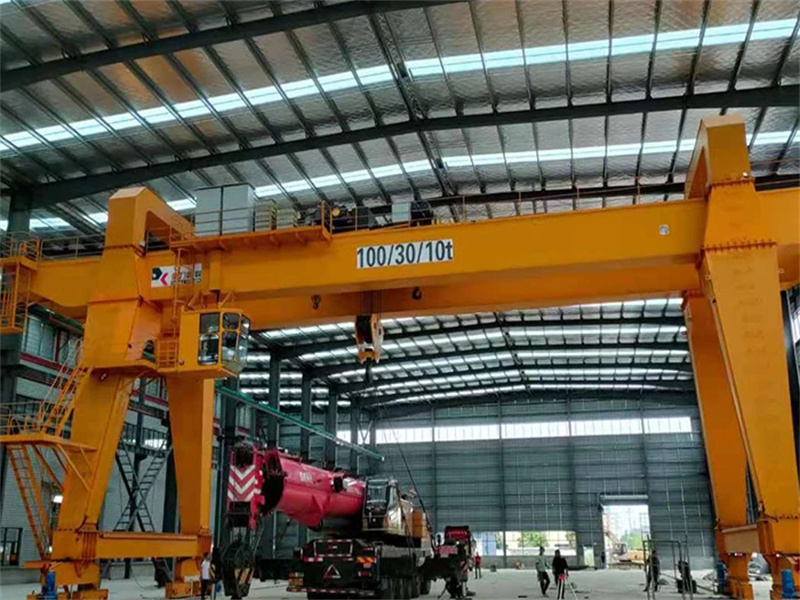
Equipment reliability is closely connected to lean manufacturing because unexpected downtime can interrupt the entire production flow. Dingli uses high-quality components and robust engineering designs to provide dependable crane performance in demanding industrial environments. Regular inspection and preventive maintenance can further reduce unexpected equipment failures, helping manufacturers maintain stable production schedules and minimize operational waste. Energy efficiency is another consideration for lean industrial operations. Lean manufacturing is not limited to reducing material waste; it also involves using resources more efficiently. Energy-saving motors and variable frequency control systems can reduce unnecessary power consumption during crane operation. By optimizing motor performance according to actual operating requirements, Dingli crane systems can help businesses control energy costs while maintaining strong lifting performance.
Industrial cranes can also support standardized workflows. When lifting routes, operating procedures, and material transfer points are clearly defined, production teams can perform repetitive tasks more consistently. Standardized crane operations make material handling easier to organize and monitor, helping factories identify inefficiencies and improve processes over time. Customization is particularly valuable when integrating cranes into lean production environments. Every factory has different production lines, building dimensions, lifting requirements, and material flow patterns. Jiangyin Dingli High Tech Cranes Co., Ltd. provides engineering solutions based on specific customer needs, helping businesses select suitable crane configurations, lifting capacities, spans, and control systems. A properly customized crane can become an integrated part of the production workflow rather than simply an independent piece of equipment.
As manufacturers continue to adopt lean principles, efficient material handling will remain an important part of production optimization. Industrial cranes help reduce unnecessary movement, waiting time, workspace congestion, and resource consumption while improving safety and productivity. With advanced technology, customized engineering, and professional technical support, Jiangyin Dingli High Tech Cranes Co., Ltd. provides reliable lifting solutions that help modern factories create smoother workflows and support long-term lean manufacturing goals.