When Should a Factory Upgrade Its Existing Crane System?
Industrial cranes are often expected to operate reliably for many years, but changing production requirements, aging components, and increased material-handling demands can eventually make an existing crane system less suitable for a facility. An upgrade does not necessarily mean replacing the entire crane. Depending on the equipment's condition and operational requirements, targeted improvements to mechanical, electrical, structural, or control components may provide a practical way to improve performance. One common indication that an upgrade should be considered is an increase in production demand. A factory may begin handling heavier loads, moving materials more frequently, or expanding its production area. If the existing crane was designed for earlier operating conditions, its lifting capacity, travel speed, working range, or duty requirements may no longer match the facility's needs. Reviewing the crane against current production requirements can help determine whether modifications or a new system should be considered.
Frequent equipment downtime is another important consideration. Repeated problems with motors, brakes, electrical components, traveling mechanisms, hoists, or other parts can increase maintenance requirements and interrupt production. While individual components can often be repaired or replaced, recurring failures may indicate that a broader assessment of the crane system is appropriate. Changes in load requirements can also create a reason for upgrading. For example, a factory may introduce larger machinery, heavier steel components, or new production equipment that requires different lifting capabilities. The crane should not be used beyond its rated capacity simply because production requirements have changed. Instead, the facility should evaluate whether the existing crane can safely meet the new requirements or whether a suitably engineered modification or replacement is necessary.
Another factor is lifting accuracy and movement control. Older crane systems may not provide the same level of movement control as newer equipment. Depending on the application, upgrading suitable electrical or drive components can improve acceleration and deceleration characteristics. Variable-frequency drive technology can provide controlled speed adjustment in appropriate crane applications, helping operators achieve smoother movements during repeated material-handling operations. The condition of major mechanical components should also be evaluated. Components such as wheels, bearings, brakes, wire ropes, drums, hooks, and traveling mechanisms experience repeated loading during normal operation. Regular inspections can identify wear and deterioration. If multiple major components require attention at the same time, it may be worthwhile to evaluate the complete crane rather than treating each problem separately.
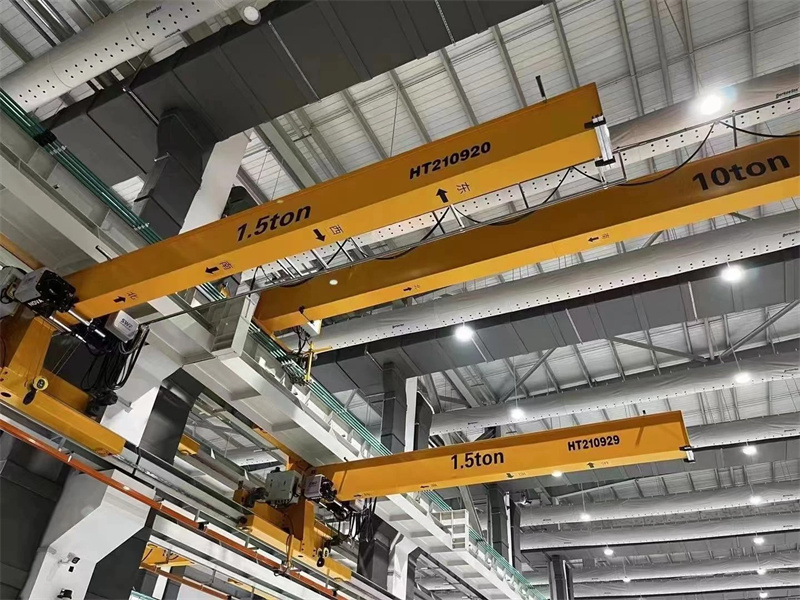
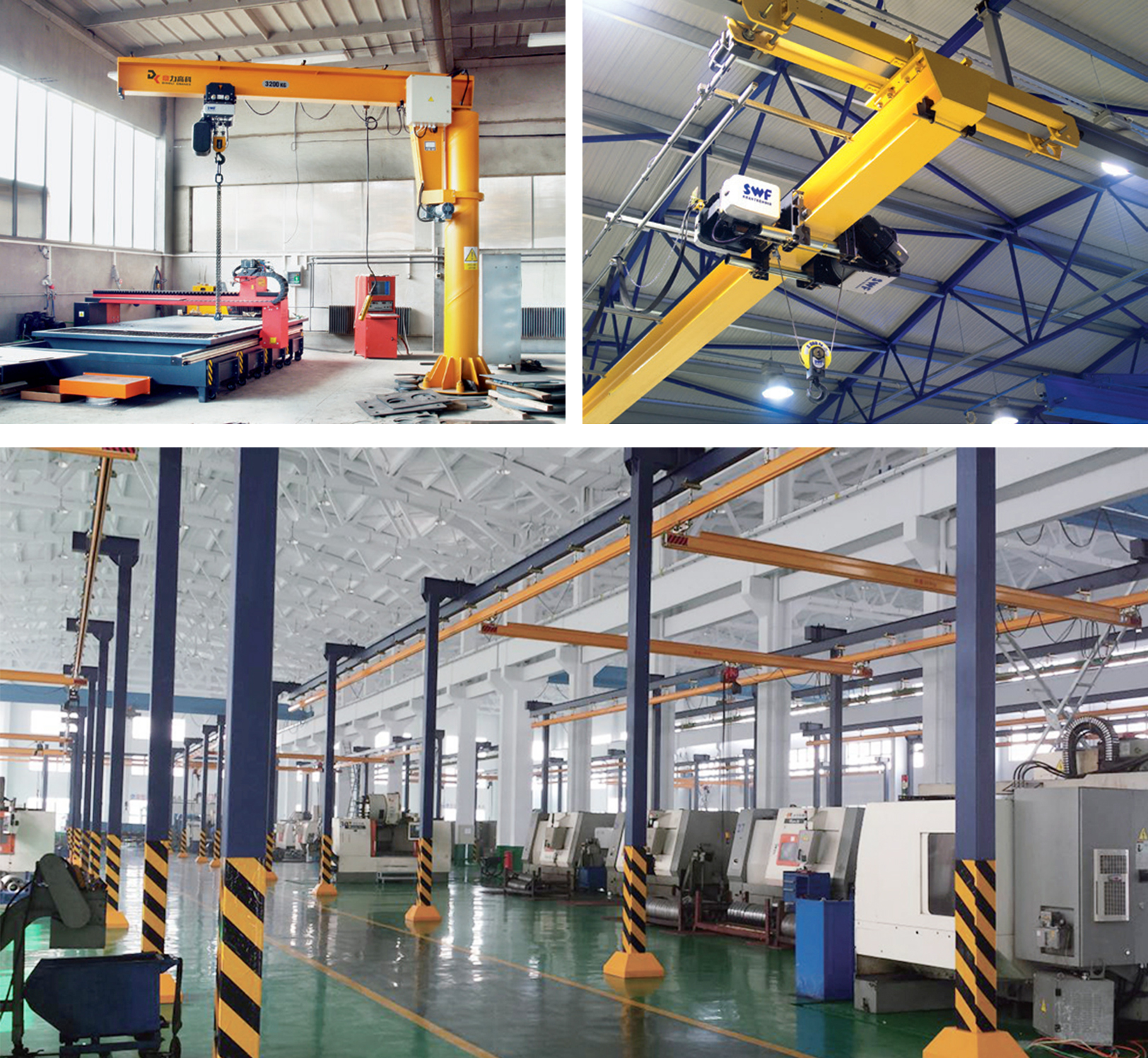
Factory layout changes can provide another reason to reconsider an existing crane system. Production lines may be relocated, new equipment may be installed, or material-flow routes may change. A crane that once covered the most important working areas may no longer provide suitable coverage. Depending on the building structure and available space, modifications or a new bridge, gantry, or semi-gantry crane may help align material handling with the updated production layout. Safety considerations should remain central to any upgrade decision. Changes to crane components should be based on appropriate engineering assessment and applicable requirements. Existing safety-related components should be inspected, and any damaged or unsuitable parts should be addressed. An upgrade should improve compatibility and reliability rather than simply adding individual components without considering the complete crane system.
Modernization can also be useful when spare parts or support for older equipment becomes increasingly difficult to obtain. Aging electrical systems and discontinued components may make maintenance more complicated and increase repair lead times. Where technically appropriate, updating selected systems can help extend the useful service of the crane while improving maintainability. Before deciding between an upgrade and complete replacement, factories should evaluate the crane's structural condition, lifting requirements, operating frequency, maintenance history, available spare parts, building layout, and future production plans. Jiangyin Dingli High Tech Cranes Co., Ltd. provides crane manufacturing, maintenance, and transformation services and can develop solutions according to specific customer requirements. This type of engineering assessment can help determine whether an existing system is suitable for modification or whether a new crane configuration is more appropriate.
Ultimately, the right time to upgrade an existing crane depends on the relationship between its current condition and the factory's present and future requirements. Increasing workloads, repeated downtime, changing load characteristics, outdated components, altered production layouts, and maintenance challenges can all justify a detailed evaluation. With careful assessment and professional engineering, factories can make informed decisions about crane modernization while maintaining reliable material-handling performance.