How Crane Design Can Adapt to Different Factory Building Structures
Every factory has a different building structure, production layout, ceiling height, column arrangement, and material-handling requirement. For this reason, an industrial crane cannot always be designed according to a standard configuration. Crane engineering must consider the characteristics of the facility so that the lifting system can operate effectively without interfering with production activities. A well-adapted crane design can make better use of available space while providing reliable material handling. The first consideration is the structural layout of the factory. Engineers need to understand the building's span, bay arrangement, column positions, available headroom, and existing supporting structures. These factors determine where a crane can travel and how its runway or supporting system can be installed. A detailed assessment of the building helps ensure that the crane configuration is compatible with the available space.
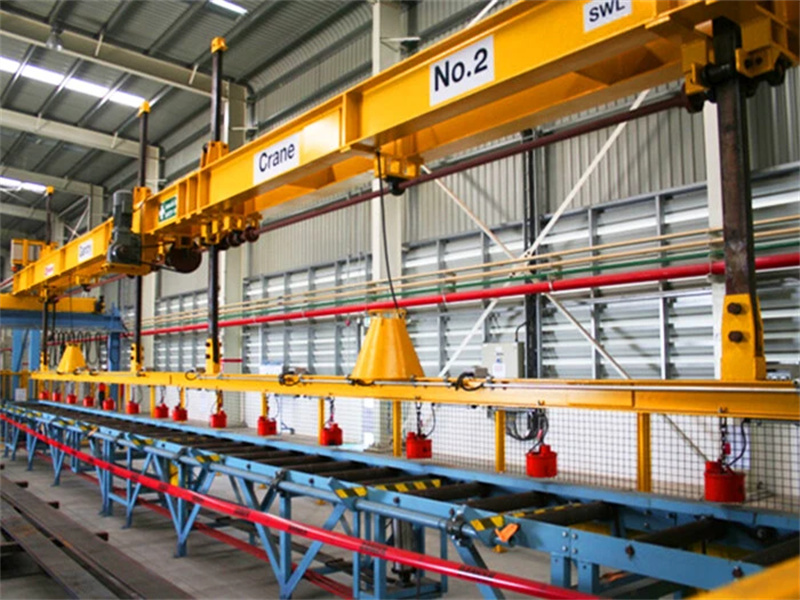
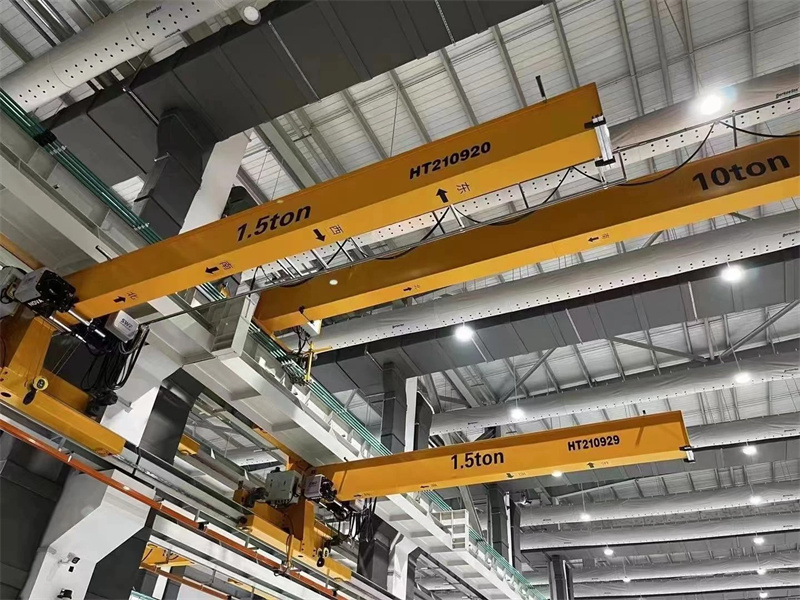
Factory ceiling height is another important design factor. Buildings with limited headroom may require a crane configuration that minimizes the space occupied by the lifting mechanism. Appropriate hoist positioning and structural dimensions can help maximize the available lifting height. In facilities with greater vertical clearance, the crane can be designed to take advantage of additional space while maintaining sufficient clearance from the building structure. The arrangement of columns also influences crane design. In many industrial buildings, structural columns divide the production area into separate bays. An overhead bridge crane can be designed to travel along suitable runway systems between these columns, provided the building structure and runway arrangement are properly coordinated. Engineers must consider column locations carefully to ensure that the crane provides useful coverage without creating interference with existing structures.
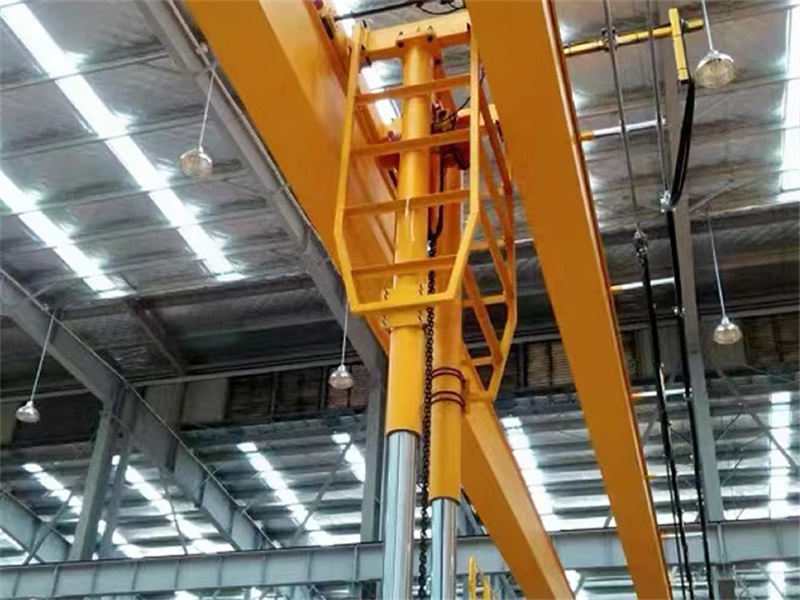
The required crane span should also correspond to the building dimensions. A crane with an unsuitable span may leave important working areas outside its effective coverage or create unnecessary structural requirements. By analyzing the actual material-flow requirements, engineers can determine an appropriate span that allows loads to be moved between key production points while making efficient use of the factory's available width. Different building structures may also require different crane types. Bridge cranes are often suitable for factories with appropriate overhead runway structures, while gantry or semi-gantry cranes can provide alternatives when a conventional overhead runway arrangement is difficult to implement. The choice depends on factors such as building structure, available floor space, required lifting capacity, and the areas that need to be served.
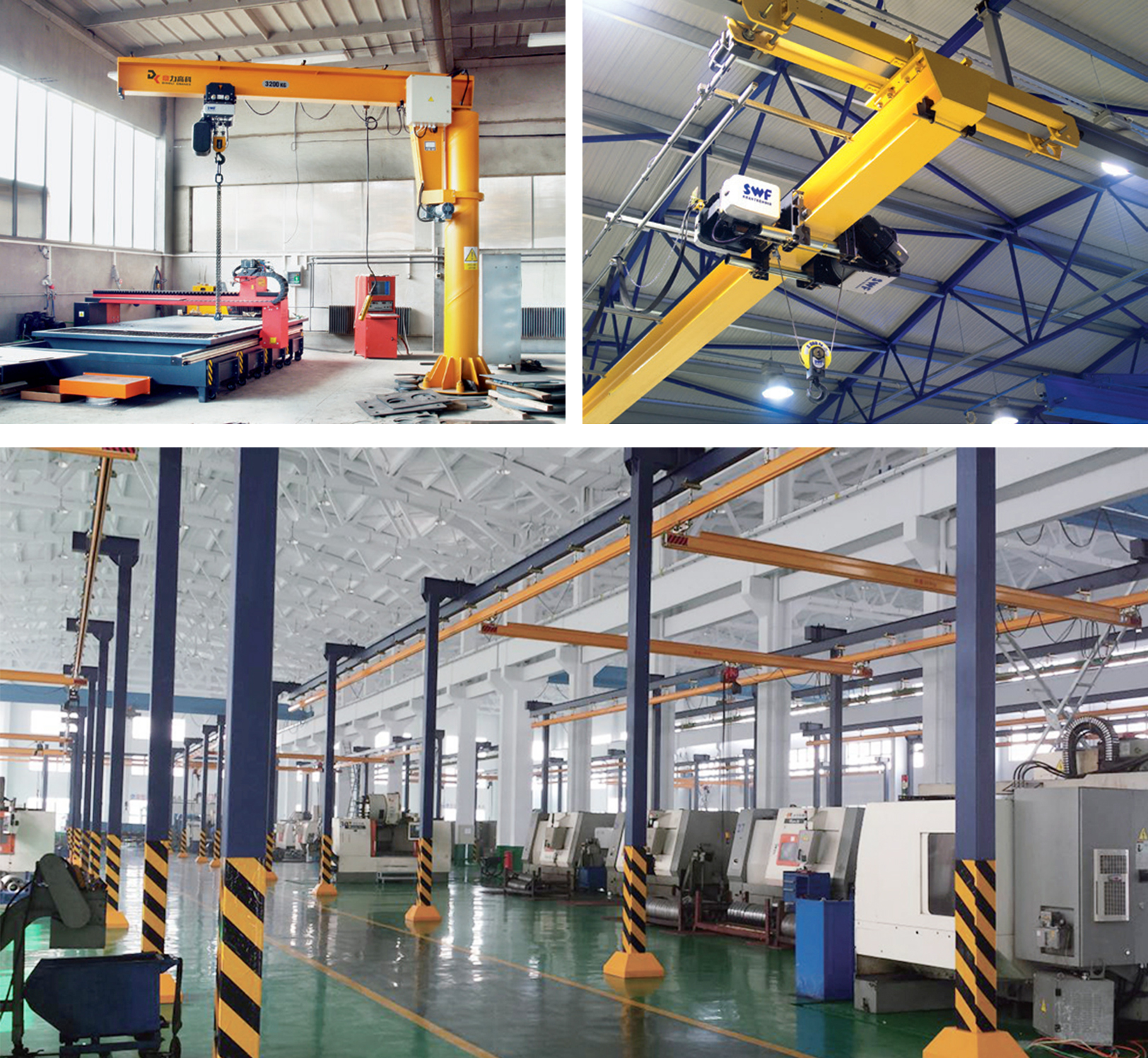
Existing factories can present additional engineering challenges. When a crane is added to an operating facility, the existing building structure, production equipment, electrical systems, and workflow must be considered. Crane installation should be planned carefully to minimize disruption to production. In some cases, the crane system may require customized supporting arrangements to suit the existing building rather than requiring major modifications to the entire facility. Load requirements are equally important. The crane structure, hoisting mechanism, traveling system, and supporting components should be selected according to the required lifting capacity and operating conditions. A facility handling heavy steel components may have significantly different requirements from one handling machinery parts or paper products. Matching the crane design to actual loads helps achieve an appropriate balance between performance, structural requirements, and investment.
Operational clearance should never be overlooked. Engineers need to consider the distance between the crane and the roof, columns, walls, production equipment, lighting, pipelines, and other building services. Adequate clearance helps prevent interference during crane travel and allows operators to move loads through the intended working area. Careful layout planning is especially important in facilities where available space is limited. Jiangyin Dingli High Tech Cranes Co., Ltd. develops crane solutions according to specific customer requirements and facility conditions. Its technical team can evaluate factors such as lifting capacity, crane configuration, operating environment, and factory layout when developing a suitable solution. The company manufactures bridge cranes, gantry cranes, and semi-gantry cranes, allowing different types of facilities to be considered according to their structural and operational requirements.
Ultimately, effective crane design begins with the building rather than treating the crane as an isolated piece of equipment. Ceiling height, column arrangement, span, runway conditions, floor space, load requirements, and production workflow all influence the appropriate solution. By combining detailed site assessment with professional engineering and suitable crane configuration, manufacturers can integrate lifting equipment into different factory structures while supporting safe, efficient, and reliable material handling.