Understanding Crane End Carriages and Their Role in Reliable Operation
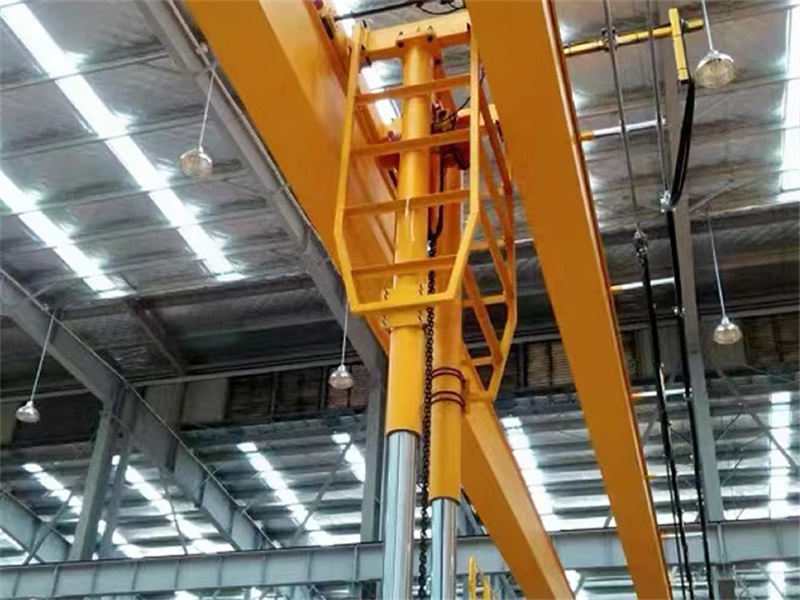
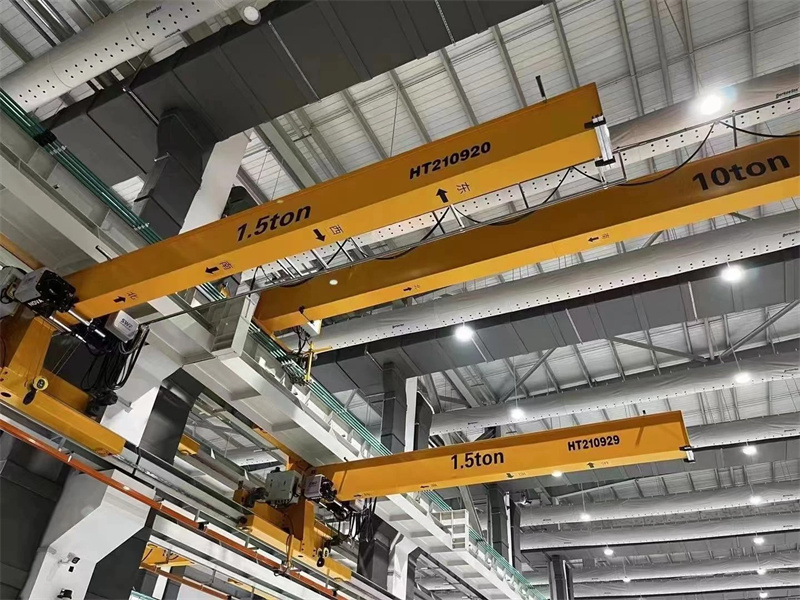
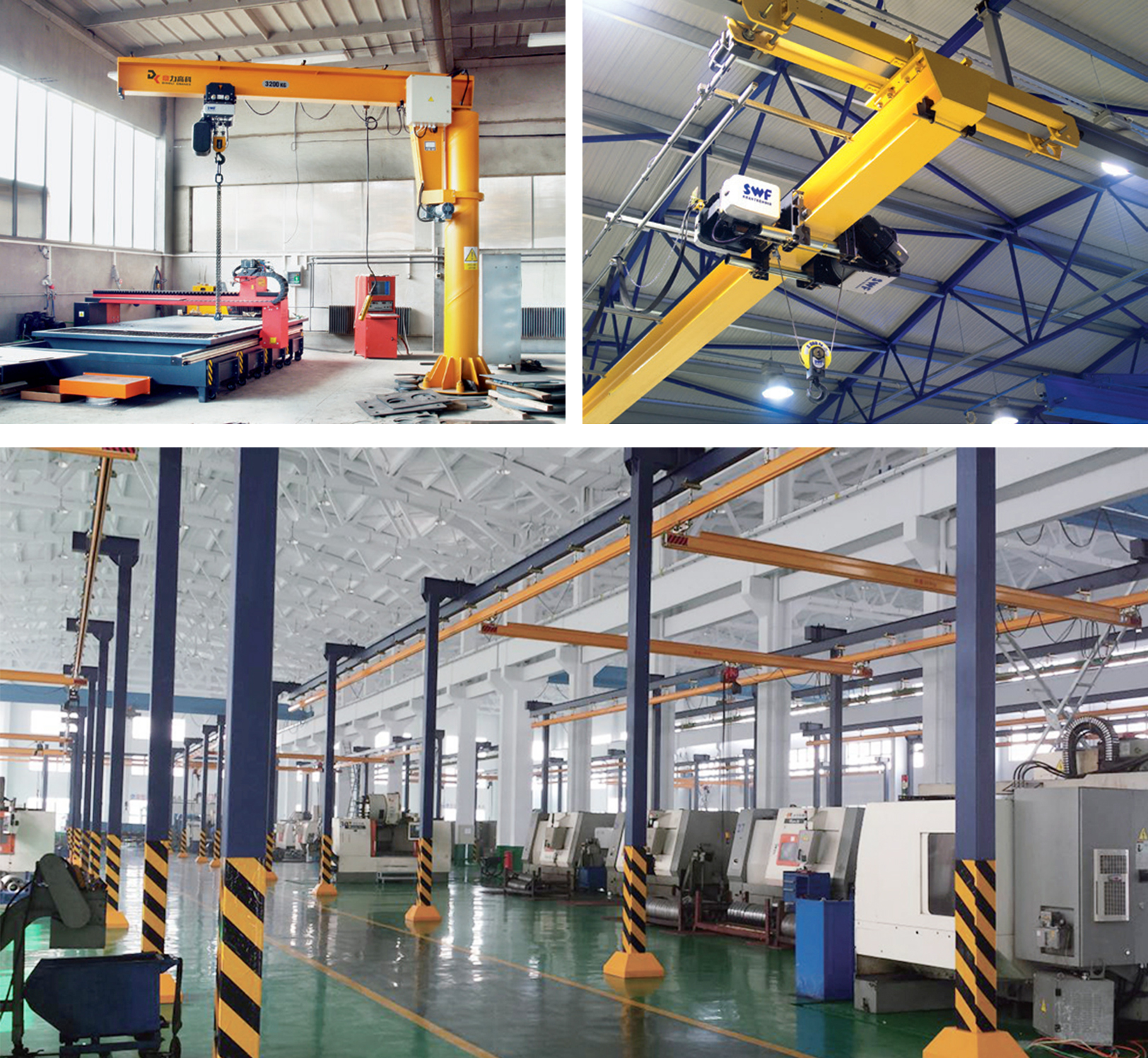
Crane end carriages are essential components of bridge and overhead crane systems. They connect the main crane bridge to the runway and allow the crane to travel smoothly along the length of the working area. Although end carriages may not receive as much attention as the hoist or main girder, their design and condition have a direct influence on crane stability, movement accuracy, and overall operating reliability. An end carriage generally includes components such as traveling wheels, wheel assemblies, drive mechanisms, bearings, shafts, and structural frames. Together, these components support the crane bridge and transfer its weight and operational loads to the runway system. The configuration can vary according to crane capacity, span, traveling speed, duty requirements, and facility layout. Proper selection is therefore important when developing an industrial crane solution.
One of the primary functions of an end carriage is to provide controlled horizontal movement. During operation, the traveling wheels move along the crane runway while the drive system provides the necessary movement. Smooth wheel rotation and proper alignment help the crane travel consistently without unnecessary vibration or resistance. This is particularly important in facilities where materials need to be transported accurately between different production areas. Wheel and rail alignment can have a significant effect on end-carriage performance. If wheels are not correctly aligned with the runway, uneven loading, excessive wear, vibration, and increased mechanical resistance may occur. Over time, these issues can affect other crane components as well. Proper installation, alignment, and periodic inspection are therefore important for maintaining reliable crane travel.
The structural strength of an end carriage is another important consideration. It must withstand the forces generated by the crane's own weight, lifted loads, acceleration, braking, and traveling operations. The design should be appropriate for the crane's rated capacity and operating conditions. For heavy-duty applications, careful engineering of the end carriage helps distribute loads effectively and supports stable crane movement. Traveling drive systems also contribute to reliable operation. Depending on the crane configuration, the end carriage may incorporate an electric drive system designed to provide controlled movement. Variable-frequency drive technology can be used in suitable crane applications to support smoother acceleration and deceleration. Controlled starting and stopping can help reduce mechanical impact and improve the handling experience during repeated crane movements.
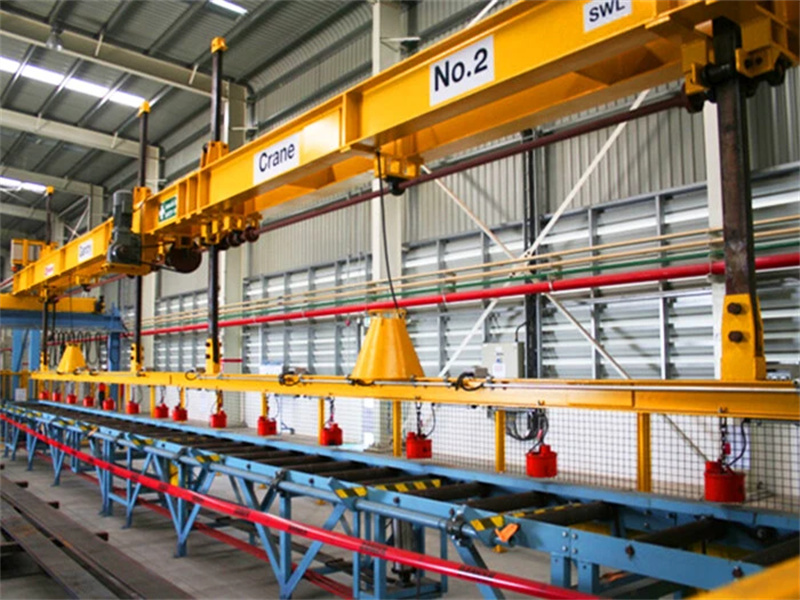
Regular maintenance is essential for keeping end carriages in good operating condition. Maintenance personnel should inspect traveling wheels, bearings, shafts, drive units, fasteners, and structural connections according to the equipment's maintenance requirements. Unusual noise, vibration, wheel wear, or irregular traveling should be investigated promptly rather than ignored. Early attention to abnormal conditions can help prevent more serious mechanical problems and unexpected production interruptions. The operating environment should also be considered when designing end carriages. Indoor manufacturing plants may have different requirements from outdoor gantry or semi-gantry crane applications. Dust, moisture, temperature variations, heavy production activity, and other environmental factors can influence component selection and maintenance requirements. A suitable design should take these operating conditions into account from the beginning of the project.
Proper end-carriage design also contributes to the overall efficiency of a crane system. Smooth traveling allows operators to position loads more effectively and move materials between workstations without unnecessary delays. When the traveling mechanism works properly with the bridge structure and hoisting system, the crane can provide a more coordinated material-handling process throughout the facility. For this reason, end carriages should be considered as an important part of complete crane engineering rather than simply a supporting component. Jiangyin Dingli High Tech Cranes Co., Ltd. develops crane solutions based on specific customer requirements, considering factors such as lifting capacity, operating environment, crane configuration, and facility conditions. Professional engineering helps ensure that traveling components are appropriately matched with the complete crane system.
Ultimately, reliable crane operation depends on the performance of many interconnected components, and end carriages are an important part of that system. Strong structural design, appropriate traveling components, accurate alignment, controlled movement, and regular maintenance can all contribute to dependable crane performance. By giving proper attention to end-carriage engineering and maintenance, industrial facilities can improve crane reliability, support safer material handling, and maintain efficient long-term operations.