Best Practices for Managing Multiple Cranes in One Facility
Managing multiple cranes within the same industrial facility requires careful planning, coordination, and consistent safety procedures. When several overhead cranes, bridge cranes, gantry cranes, or other lifting systems operate in one workspace, inefficient scheduling or poor communication can increase the risk of collisions, load interference, and production delays. A well-organized crane management strategy helps businesses improve material flow while maintaining safe and reliable lifting operations. The first step is to understand the operational requirements of each crane. Different cranes may have different lifting capacities, spans, travel speeds, working areas, and application requirements. Facility managers should clearly define which crane is responsible for specific production zones or material-handling tasks. Assigning appropriate duties helps prevent unnecessary crane movement and reduces conflicts between lifting operations.
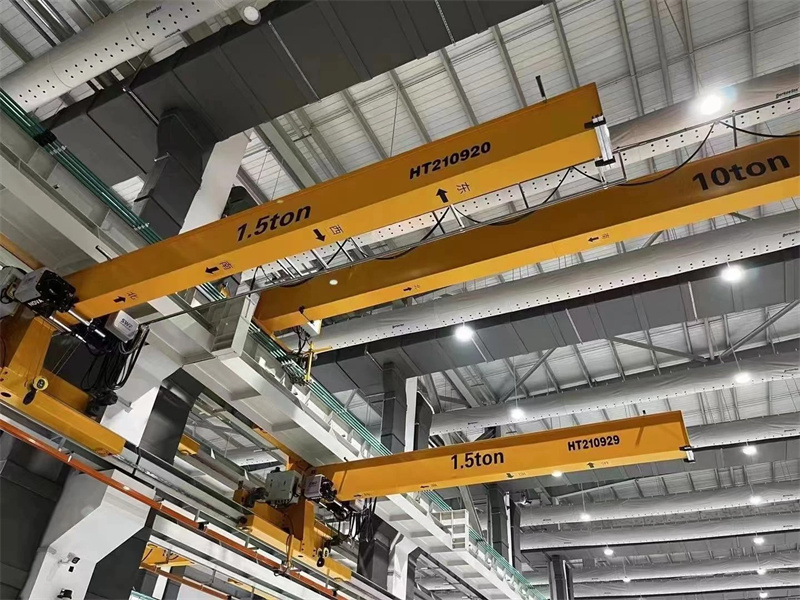
Planning crane operating zones is particularly important in facilities where multiple cranes share the same runway or work area. Managers should identify overlapping travel paths and establish clear operating rules for these areas. When two cranes may approach the same location, defined priorities and communication procedures can help operators coordinate their movements. Proper facility layout planning can also reduce unnecessary travel and improve overall material-handling efficiency. Load planning is another essential part of multi-crane management. Before lifting, operators should understand the load weight, dimensions, center of gravity, lifting points, and intended destination. Heavy or oversized loads may require additional planning to determine which crane is suitable for the task. When a lifting operation requires more than one crane, the procedure should be carefully engineered and coordinated to ensure that the load remains stable and that each crane operates within its rated capacity.
Communication between crane operators and ground personnel should be clear and consistent. Standardized hand signals, radios, or other approved communication methods can help coordinate lifting, traveling, positioning, and lowering activities. When multiple cranes operate simultaneously, communication becomes even more important because operators need to understand the location and activities of other lifting equipment in their working area. Speed control can also contribute to safer and more efficient crane management. Sudden acceleration, braking, or directional changes can cause unnecessary load movement and make coordination more difficult. Modern crane systems can incorporate variable-frequency drive technology to provide smoother starting, stopping, and speed adjustment. Jiangyin Dingli High Tech Cranes Co., Ltd. has developed efficient, energy-saving variable-frequency crane solutions designed to support controlled and reliable lifting operations according to project requirements.
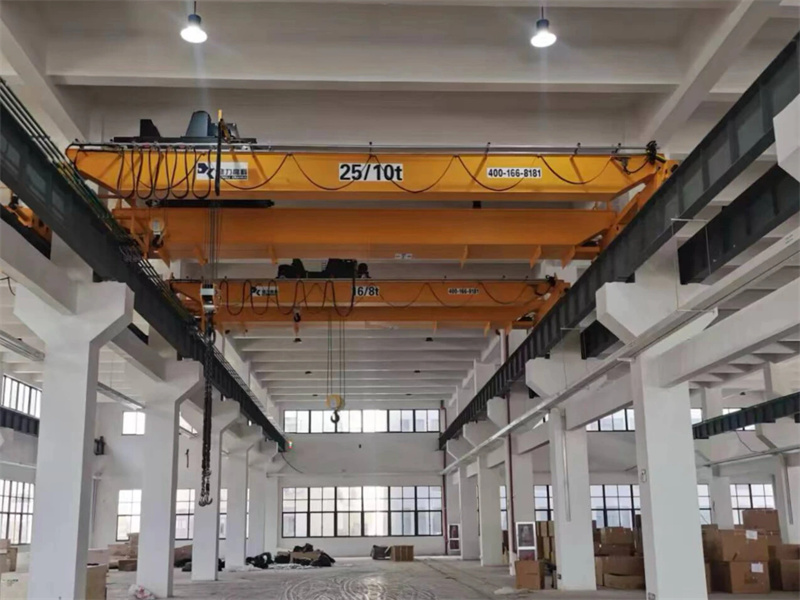
Regular inspections and preventive maintenance are essential when several cranes operate continuously. Each crane should be inspected according to its operating conditions and maintenance schedule. Components such as hoisting mechanisms, brakes, wheels, electrical systems, controls, hooks, and structural connections should be checked for signs of wear or abnormal operation. A systematic maintenance program can help identify potential problems before they lead to unexpected downtime. Facility managers should also maintain clear records for every crane. Important information can include inspection results, maintenance activities, repairs, operating hours, lifting incidents, and component replacements. These records make it easier to identify recurring problems and plan maintenance activities without unnecessarily interrupting production. They also help management evaluate equipment performance and make informed decisions about future upgrades or replacements.
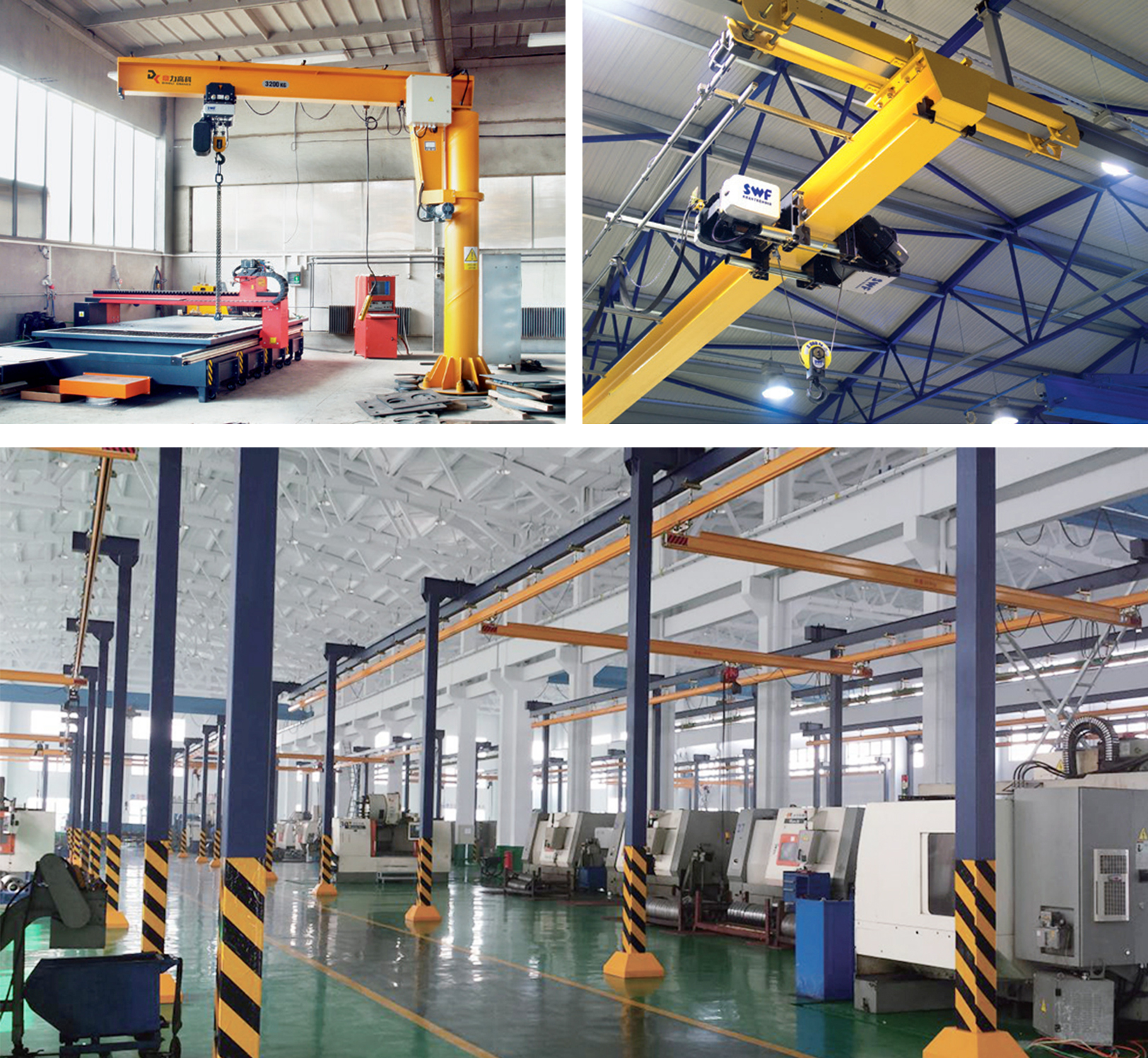
Operator training is equally important for facilities with multiple cranes. Operators should understand the specific crane they are assigned to, its rated capacity, controls, operating limitations, and applicable safety procedures. They should also be familiar with shared working areas and the procedures for coordinating with other crane operators. Refresher training can help maintain consistent operating practices as equipment, production processes, or facility layouts change. For complex facilities, customized crane engineering can provide significant benefits. The appropriate combination of crane type, capacity, span, travel arrangement, control system, and supporting equipment depends on the facility's production requirements. Jiangyin Dingli High Tech Cranes Co., Ltd. provides professional engineering support to develop crane solutions according to customer requirements, helping businesses balance lifting performance, safety, operating efficiency, and investment costs.
Ultimately, successful management of multiple cranes depends on coordination rather than simply having reliable equipment. Clear operating zones, proper load planning, effective communication, controlled movements, regular maintenance, accurate records, and trained operators all contribute to a safer working environment. With professional engineering and properly selected crane systems, manufacturers can manage multiple lifting operations more efficiently while supporting stable long-term production.