How to Select the Right Crane Span for Your Facility
Selecting the correct crane span is one of the most important decisions when designing an industrial lifting system. The crane span directly affects lifting coverage, operational efficiency, structural requirements, and overall investment costs. An improperly selected span can lead to inefficient material handling, limited working areas, or unnecessary expenses. Therefore, businesses must carefully evaluate their facility layout, production requirements, and future development plans before choosing a crane system. Jiangyin Dingli High Tech Cranes Co., Ltd. provides customized crane solutions designed to help customers select the ideal span configuration for their specific industrial applications. The first step in determining the right crane span is understanding the facility layout and available workspace. Crane span refers to the horizontal distance between the two supporting rails or runway beams on which the crane operates. The span must match the width of the working area to ensure maximum coverage without interfering with buildings, equipment, or production lines. Dingli’s engineering team analyzes facility dimensions and operational requirements to design crane systems that make the most effective use of available space.
Another important factor is the material handling area that requires crane coverage. A crane with an insufficient span may not reach all necessary workstations, creating additional handling steps and reducing productivity. On the other hand, an oversized span may increase equipment costs and require unnecessary structural reinforcement. By evaluating material flow paths and lifting locations, businesses can determine the optimal span that provides complete coverage while maintaining cost efficiency. Load capacity is also closely related to crane span selection. As the span increases, the structural demands placed on the crane become greater. Longer spans require careful engineering to maintain stability, strength, and operational safety. Dingli designs crane structures using high-quality materials and advanced engineering calculations to ensure that cranes maintain excellent performance even when operating across large spans and handling heavy loads.
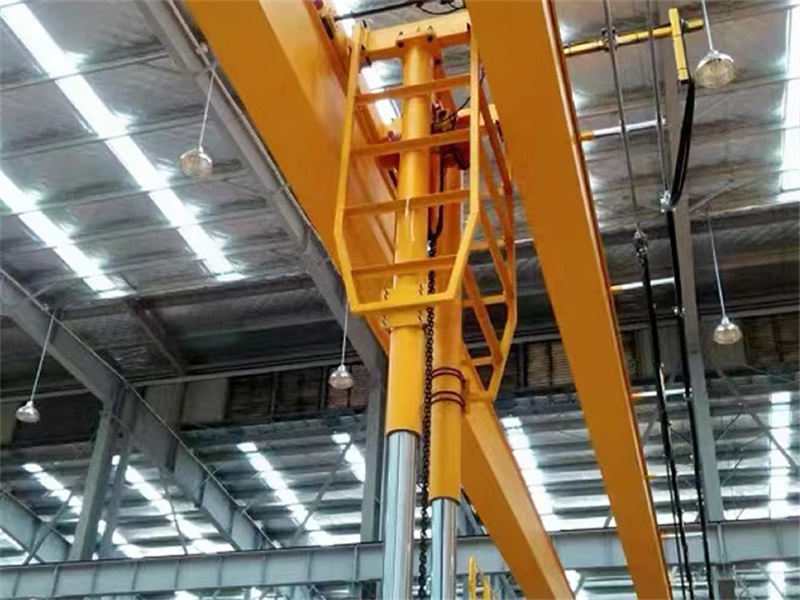
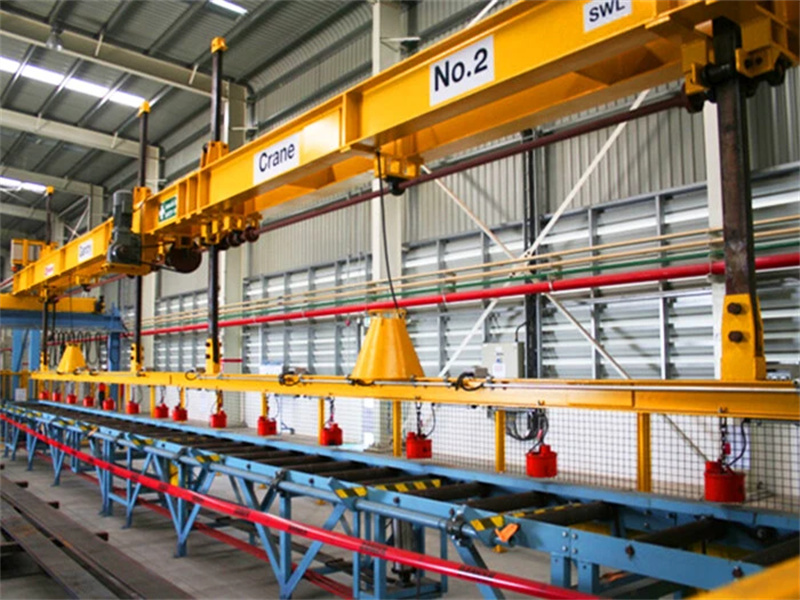
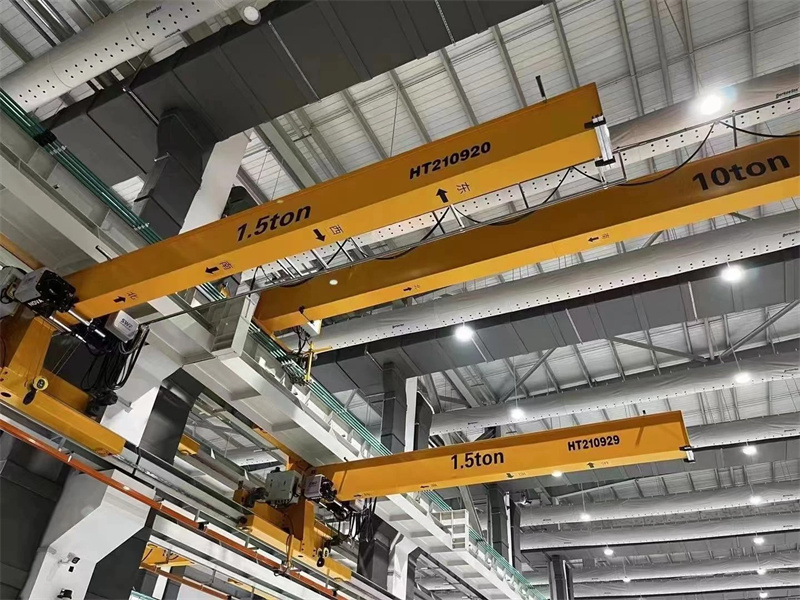
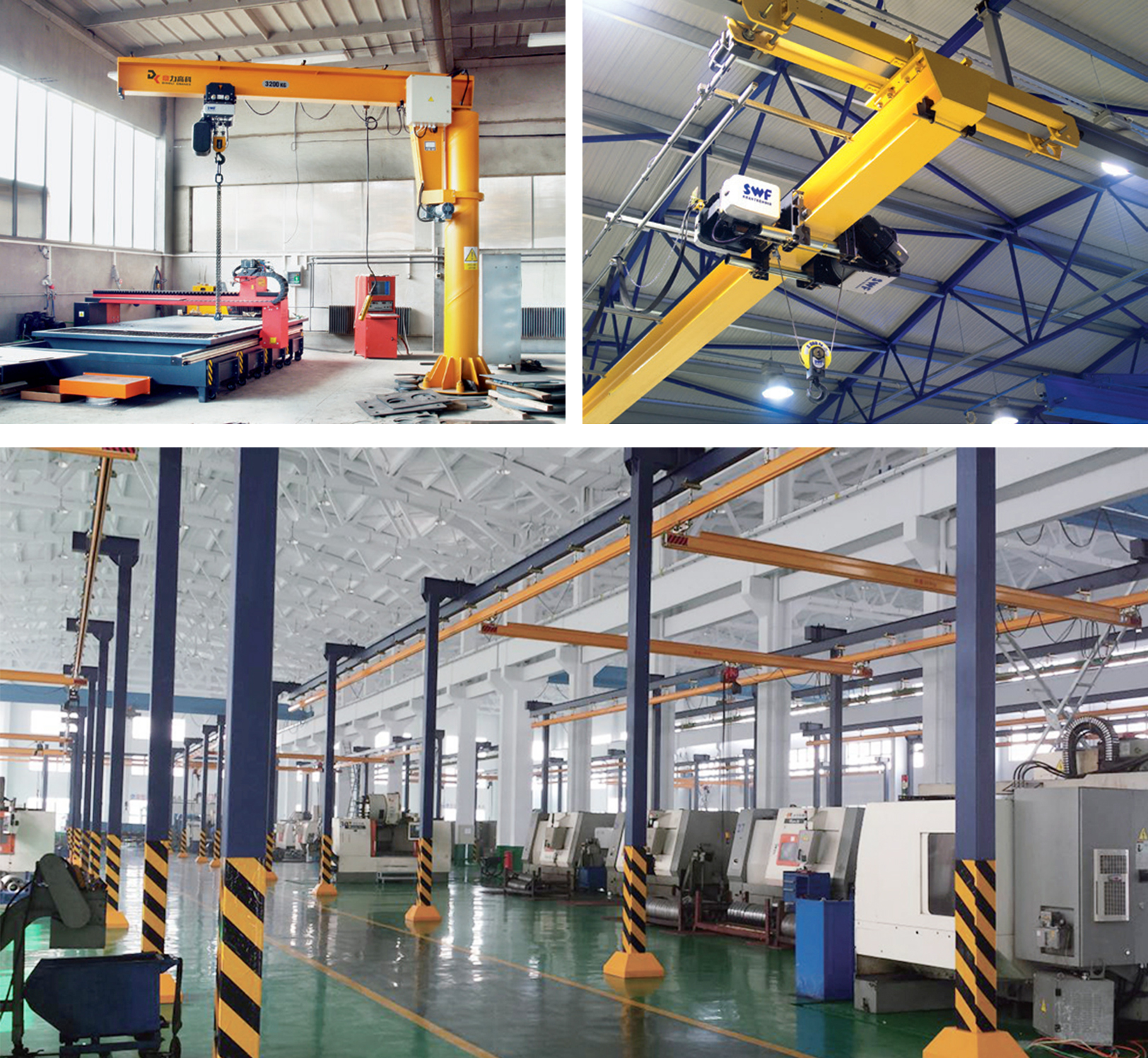
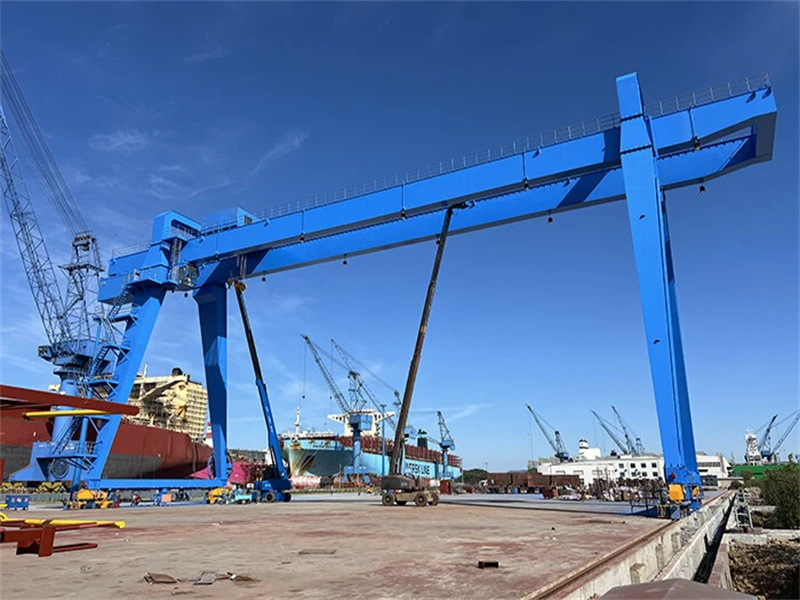
The type of crane system being used also influences span selection. Single beam cranes are often suitable for lighter lifting applications and facilities with moderate span requirements, while double beam cranes are commonly used for heavier loads and larger working areas. Gantry cranes and semi-gantry cranes may be preferred for outdoor applications or facilities where traditional runway systems are not practical. Dingli offers various crane configurations to meet different span requirements across multiple industries. Building structure and installation conditions must also be considered. The existing facility must have adequate support capacity to handle crane loads, including the weight of the crane itself and the materials being lifted. Factors such as building columns, runway beam design, ceiling height, and available installation space all affect the final crane span selection. Dingli’s technical specialists provide professional recommendations to ensure safe integration with existing structures.
Operational requirements are another key consideration. Facilities with high-frequency lifting operations may require optimized span designs that reduce travel distances and improve workflow efficiency. In manufacturing plants, for example, a properly selected crane span allows materials to move smoothly between production stations, reducing waiting times and improving overall productivity. Future expansion plans should also be considered when selecting a crane span. A facility’s production needs may increase over time, requiring additional workspace or higher material handling capacity. Choosing a flexible crane design with an appropriate span can help businesses adapt to future changes without replacing the entire lifting system. Dingli provides scalable crane solutions that support long-term operational growth.
Safety should always remain a priority during span selection. An incorrectly designed crane span can create excessive structural stress, unstable operation, or limited operator visibility. Dingli incorporates advanced safety features such as overload protection, reliable braking systems, and precise control technology to ensure safe crane operation. Proper span design combined with advanced safety systems helps reduce workplace risks. Energy efficiency and operating costs are also affected by crane span selection. A well-designed crane minimizes unnecessary movement and reduces energy consumption during daily operations. Dingli’s cranes integrate technologies such as variable frequency drive systems to provide smooth movement, lower mechanical stress, and improve overall energy efficiency.
Choosing the right crane span requires careful consideration of facility dimensions, lifting requirements, structural conditions, and future business needs. With extensive experience in crane manufacturing and engineering, Jiangyin Dingli High Tech Cranes Co., Ltd. helps customers develop customized lifting solutions that maximize productivity, safety, and cost effectiveness. By selecting the appropriate crane span, businesses can improve material handling efficiency and create a more reliable foundation for long-term industrial success.