Key Challenges in Crane Design and How Dingli Solves Them
Modern industries demand cranes that are stronger, safer, more efficient, and capable of adapting to increasingly complex production environments. Designing a crane is no longer simply about achieving the required lifting capacity; it involves balancing structural strength, operational efficiency, safety, energy consumption, durability, and customer-specific requirements. Meeting these challenges requires extensive engineering expertise and continuous innovation. Jiangyin Dingli High Tech Cranes Co., Ltd. has over two decades of experience in crane manufacturing and has developed effective solutions to overcome the most common challenges in modern crane design. One of the biggest challenges in crane design is achieving the ideal balance between high load capacity and structural weight. A crane must be strong enough to lift heavy loads safely while remaining lightweight enough to reduce stress on the building structure and operating mechanisms. Dingli addresses this challenge by using high-strength steel, optimized structural analysis, and precision engineering. This approach creates crane structures that deliver excellent load-bearing performance without unnecessary weight, improving both stability and energy efficiency.
Another major challenge is ensuring operational stability during lifting. Heavy loads naturally create movement and swinging, which can reduce positioning accuracy and increase safety risks. Dingli integrates advanced variable frequency drive (VFD) technology into its cranes, allowing smooth acceleration and deceleration. By minimizing load swing and sudden movements, operators can position materials more accurately while reducing mechanical stress on the crane system. Designing cranes for different industrial applications is another complex task. Every industry has unique operational requirements. Steel plants require cranes capable of handling extremely heavy loads under harsh conditions, while machinery manufacturers often need highly precise lifting for sensitive components. Dingli solves this challenge through customized engineering solutions. The company's technical team works closely with customers to design cranes with the appropriate lifting capacity, span, lifting height, duty classification, and control systems for each application.
Safety remains one of the highest priorities in crane design. As lifting capacities increase, so do the potential risks associated with crane operation. Dingli incorporates multiple safety features into every crane, including overload protection devices, travel limit switches, emergency stop systems, reliable braking mechanisms, and high-quality electrical protection systems. These integrated safety measures help protect operators, equipment, and facilities while ensuring compliance with industry standards. Energy efficiency has become increasingly important as manufacturers seek to reduce operating costs and meet sustainability goals. Traditional crane systems often consume excessive power due to outdated drive technologies and inefficient motor operation. Dingli addresses this challenge by incorporating energy-efficient motors and intelligent frequency conversion systems that adjust operating speed according to actual lifting requirements. This significantly reduces electricity consumption while maintaining excellent lifting performance.
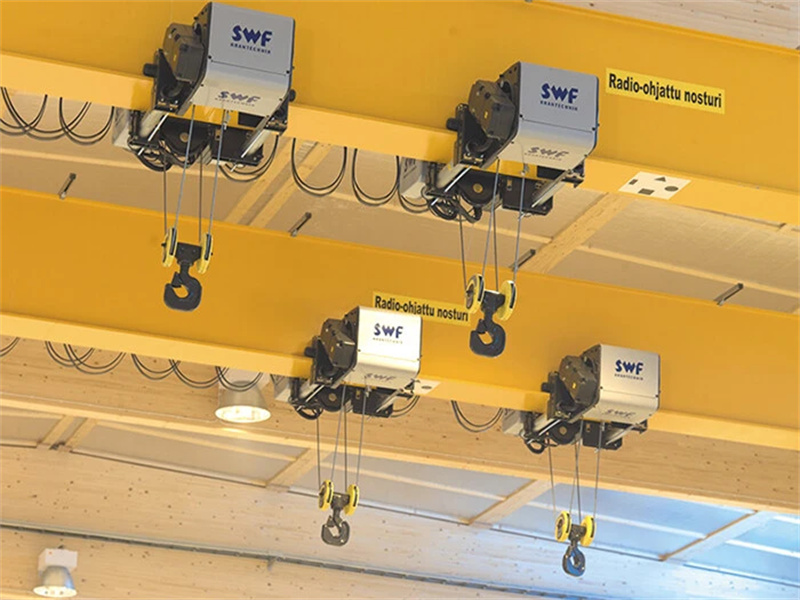
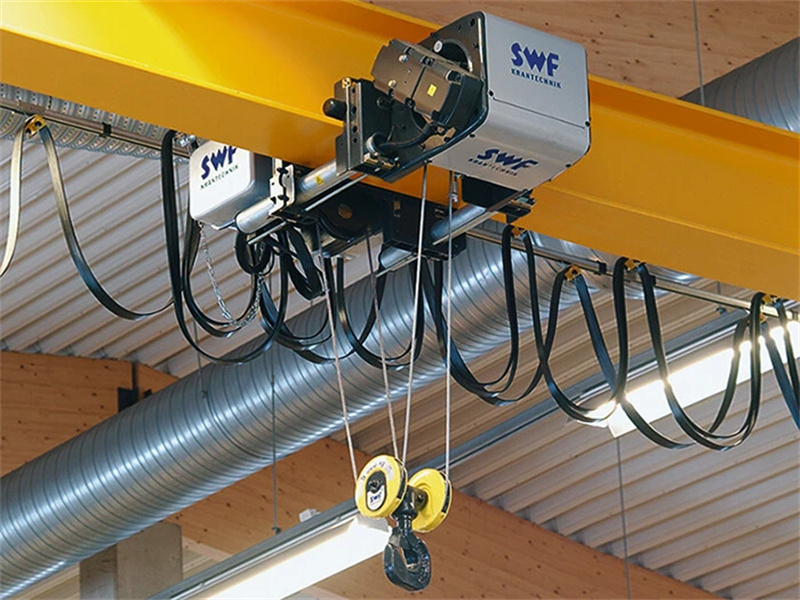
Another challenge is ensuring long-term durability in demanding environments. Industrial cranes often operate in steel mills, power plants, shipyards, warehouses, and manufacturing facilities where dust, heat, humidity, and continuous operation place tremendous stress on equipment. Dingli uses premium components, corrosion-resistant materials where required, and strict manufacturing standards to ensure reliable operation even under harsh working conditions. Every crane is built for long service life with minimal maintenance requirements. Precision manufacturing presents another design challenge. Industries such as automotive, aerospace, and machinery manufacturing require cranes capable of handling expensive components with exceptional positioning accuracy. Dingli combines advanced control systems with precise mechanical engineering to provide smooth lifting and accurate load placement. Variable speed controls allow operators to make fine adjustments during lifting operations, improving production quality and reducing the risk of component damage.
Maintenance accessibility is also an important consideration during crane design. Equipment that is difficult to inspect or repair can increase maintenance costs and production downtime. Dingli designs its cranes with practical maintenance access, modular components, and service-friendly layouts. This allows technicians to inspect, replace, and maintain critical components more efficiently, reducing downtime and improving equipment availability throughout its operating life. As factories move toward digital manufacturing, integrating cranes with modern production systems has become another design challenge. Dingli addresses this by incorporating intelligent control technologies that support remote operation, real-time equipment monitoring, and future automation upgrades. These advanced features enable customers to improve operational efficiency while preparing their facilities for Industry 4.0 manufacturing environments.
Through continuous innovation, rigorous quality control, and customer-focused engineering, Jiangyin Dingli High Tech Cranes Co., Ltd. successfully overcomes the key challenges of modern crane design. By combining robust structural engineering, advanced safety systems, energy-efficient technologies, and customized solutions, Dingli delivers crane systems that meet the highest standards of reliability, performance, and productivity. As industrial requirements continue to evolve, Dingli remains committed to developing innovative lifting solutions that help customers achieve safer, more efficient, and more competitive operations.