The Evolution of Cranes: From Traditional to Advanced Technology
Cranes have played a fundamental role in human development, enabling societies to build, transport, and manufacture on an increasingly larger scale. From simple manual lifting devices in ancient civilizations to today’s intelligent and energy-efficient systems, crane technology has evolved significantly. This transformation reflects the growing demands of modern industries for higher capacity, greater precision, enhanced safety, and improved efficiency. Companies like Jiangyin Dingli High Tech Cranes Co., Ltd. represent the modern stage of this evolution, integrating advanced engineering and innovative control systems into contemporary crane solutions.
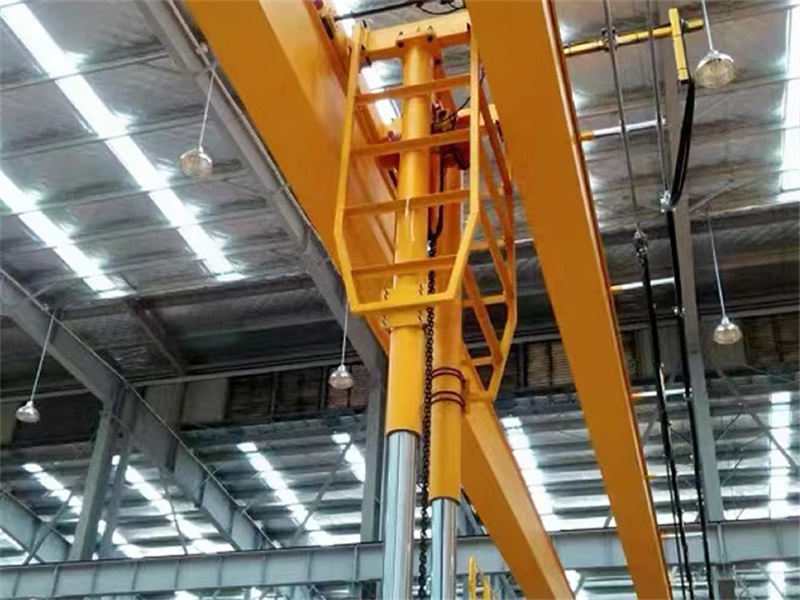
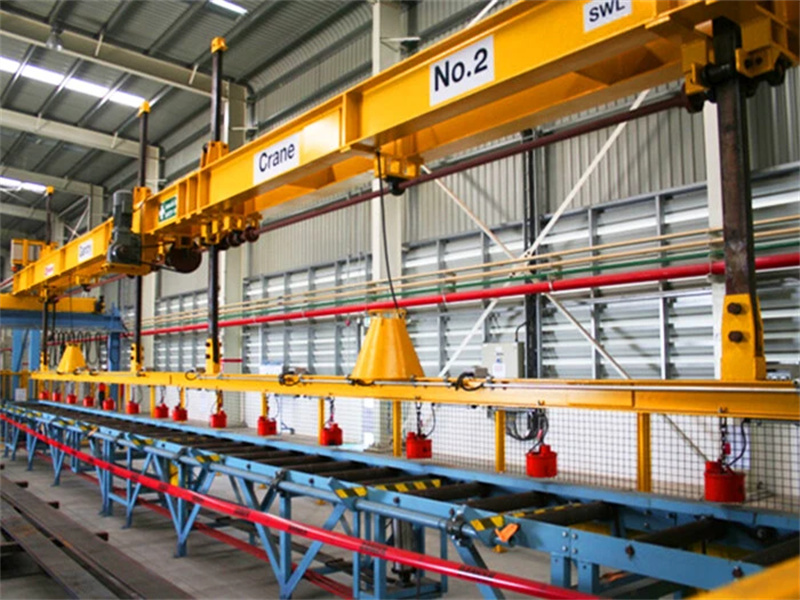
In ancient times, cranes were basic mechanical devices powered by human or animal labor. Early civilizations used wooden frames, ropes, and pulleys to lift heavy stones and construction materials. While these systems were revolutionary for their time, they were limited in lifting capacity and operational efficiency. As industries developed during the Industrial Revolution, steam-powered cranes began to replace manual systems, significantly increasing lifting strength and reducing physical labor. The introduction of electric motors in the late 19th and early 20th centuries marked a major breakthrough in crane technology. Electrification allowed for smoother and more controlled lifting operations. Overhead cranes and gantry cranes became widely used in factories, warehouses, and shipyards. This shift not only improved efficiency but also made heavy industrial production more feasible and scalable.
As industrial demands continued to grow, crane structures became stronger and more specialized. The development of high-strength steel and improved welding techniques enabled cranes to handle heavier loads with greater stability. Standardized manufacturing processes and engineering calculations improved safety and reliability. During this period, cranes became indispensable in industries such as steel production, power generation, and mechanical manufacturing. The next significant stage in crane evolution came with the integration of electronic control systems. Traditional mechanical controls were gradually replaced by electrical panels and programmable logic controllers. This advancement enhanced precision, allowing operators to control lifting speed, direction, and positioning more accurately. It also improved safety by introducing automatic protection systems such as overload protection and limit switches.
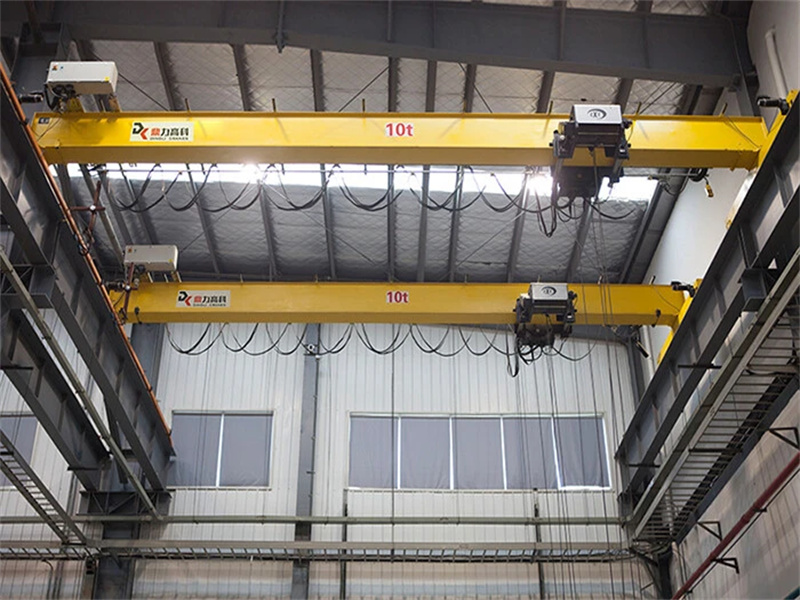
In recent decades, variable frequency drive (VFD) technology has transformed crane performance. VFD systems allow smooth acceleration and deceleration, reducing load swing and mechanical stress. This not only enhances safety but also extends the service life of components. Energy consumption is optimized, making cranes more environmentally friendly and cost-effective to operate. Modern crane manufacturers now prioritize energy efficiency alongside performance. Automation and intelligent monitoring represent the latest phase of crane development. Advanced cranes can now incorporate remote control systems, data monitoring, and diagnostic tools that provide real-time performance feedback. These features help operators identify potential issues early, reduce downtime, and maintain continuous productivity. In some applications, semi-automated and fully automated crane systems are used to improve precision and reduce human error.
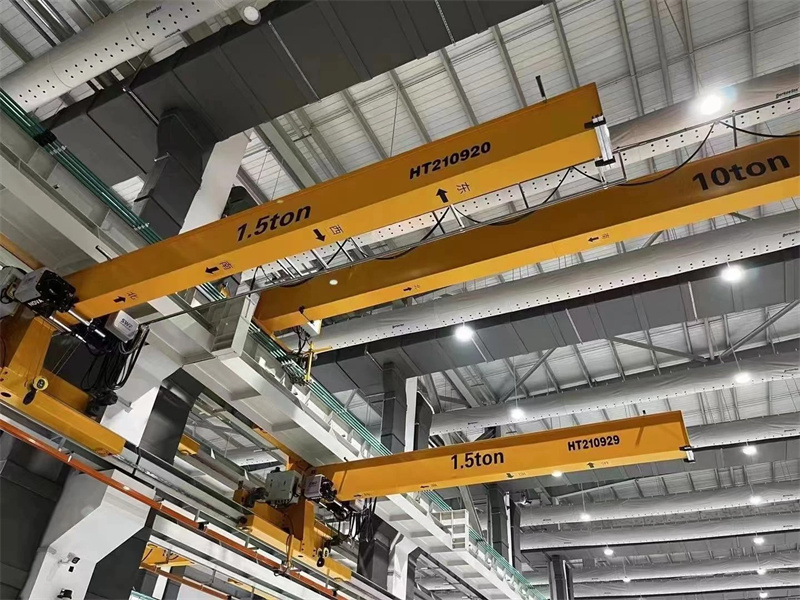
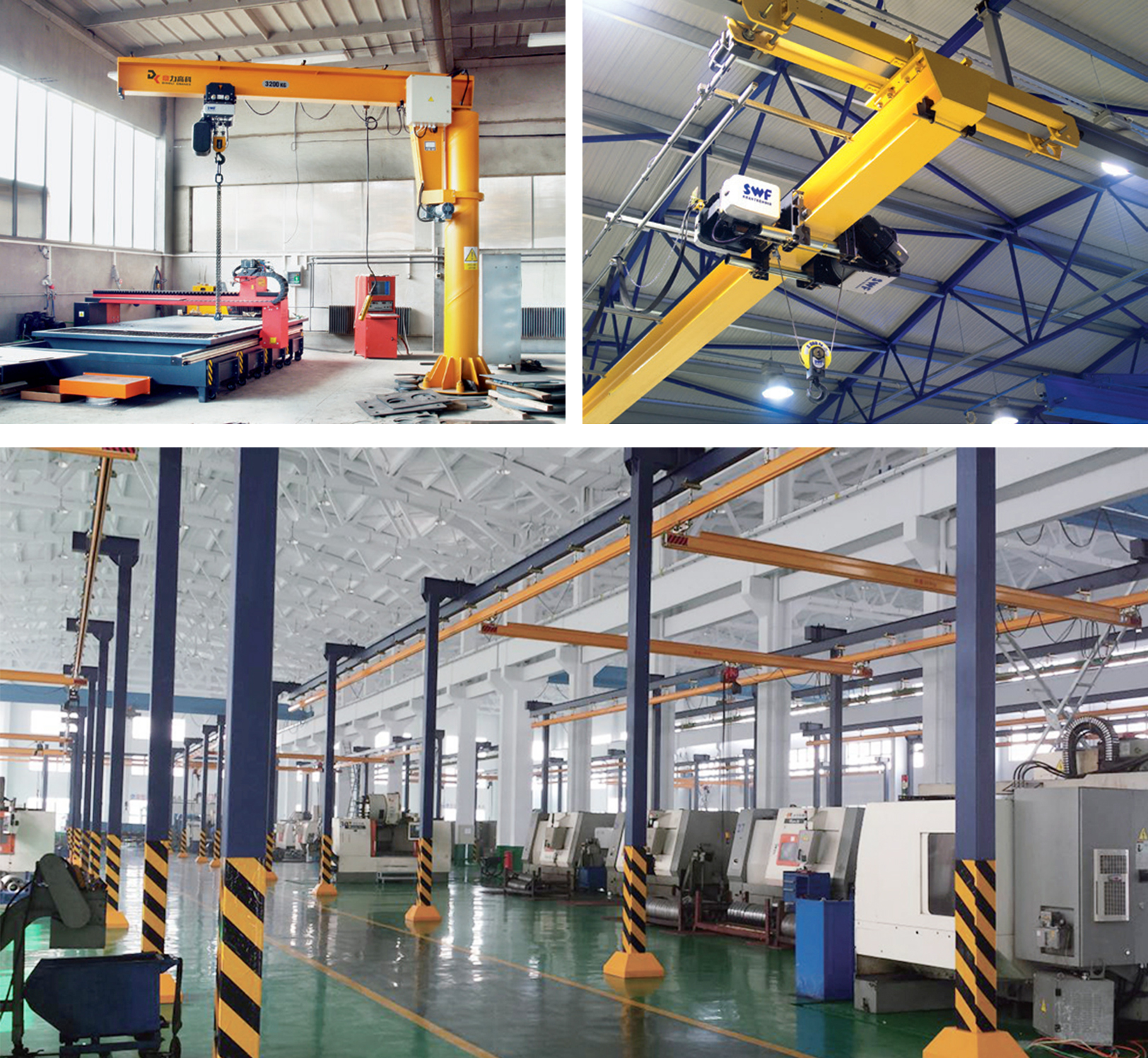
Safety standards have also evolved alongside technological progress. Modern cranes are designed with comprehensive safety mechanisms, including emergency stop systems, anti-collision devices, and advanced braking technologies. These improvements significantly reduce workplace risks and help companies comply with strict industrial safety regulations. Customization has become another defining characteristic of advanced crane technology. Instead of relying on standardized designs, manufacturers now provide tailored solutions that match specific industrial needs. From specialized lifting attachments to compact structures for limited spaces, modern cranes are engineered to fit precise operational requirements.
Today, the evolution of cranes reflects a combination of structural strength, advanced control systems, energy efficiency, automation, and customer-focused design. Jiangyin Dingli High Tech Cranes Co., Ltd. embodies this progression by delivering high-performance lifting solutions built on decades of engineering expertise. As industries continue to demand smarter and more sustainable equipment, crane technology will keep advancing, driving productivity and supporting the future of global industrial development.